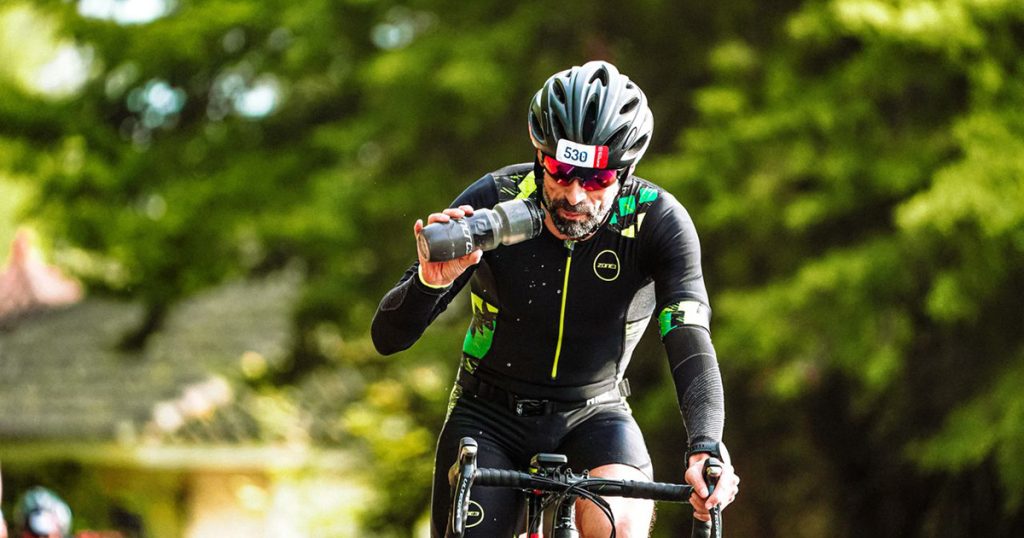
“Drink eight glasses of water a day” is generic advice that has little practical use once you are out on a bike, sweating in variable conditions, at variable intensities, for variable durations. Cycling hydration needs are highly individual and situational — but they are also measurable, which means you can move from guessing to a genuinely informed approach.
This guide explains how to estimate your personal fluid needs, when plain water is sufficient versus when electrolytes matter, and how to recognise the warning signs of getting it wrong in either direction.
Table of Contents
- Why Hydration Matters for Performance and Safety
- How to Calculate Your Sweat Rate
- General Hydration Guidelines by Conditions
- Water vs Electrolyte Drinks: When Each Matters
- Signs of Dehydration While Cycling
- Signs of Overhydration (Hyponatremia)
- Hydration Strategy by Ride Duration
- Hydration in Hot vs Cold Weather
- Common Mistakes to Avoid
- FAQ
Why Hydration Matters for Performance and Safety
Even relatively mild dehydration — a fluid loss of as little as 2% of body weight — has been associated with measurable declines in endurance performance in research, along with reduced concentration and increased perceived effort at a given intensity.
Beyond performance, hydration also has genuine safety implications. Significant dehydration impairs your body’s ability to regulate temperature effectively, increasing the risk of heat-related illness on hot rides, and can contribute to dizziness or impaired judgement that affects safe bike handling.
The good news is that, unlike many aspects of performance, hydration is highly manageable with a bit of planning and self-awareness.
How to Calculate Your Sweat Rate
Generic hydration advice fails because individual sweat rates vary enormously — by a factor of two or three between individuals under similar conditions. Calculating your own sweat rate gives you a genuinely personalised baseline.
Step-by-Step Sweat Rate Test
- Weigh yourself (nude or in minimal, dry clothing) immediately before a ride
- Note how much fluid you drink during the ride (track bottle volume consumed)
- Ride for a fixed, known duration (ideally 60 minutes, at a representative intensity for your normal riding) without urinating during the test period
- Weigh yourself again immediately after, before drinking any additional fluid, in similarly minimal/dry clothing
- Calculate your sweat rate:
Sweat Rate (per hour) = (Pre-ride weight − Post-ride weight) + Fluid consumed during ride
Example Calculation
- Pre-ride weight: 70.0 kg
- Post-ride weight: 69.3 kg (700g loss)
- Fluid consumed during the 60-minute ride: 500 ml (0.5 kg)
Sweat Rate = 0.7 kg + 0.5 kg = 1.2 litres per hour
This rider loses approximately 1.2 litres of fluid per hour under these specific conditions (temperature, humidity, intensity), providing a genuinely personalised baseline rather than relying on generic population averages.
Important: Sweat rate varies significantly with temperature, humidity, and intensity. Repeating this test under different conditions (a hot summer ride versus a cool spring ride) gives you a more complete picture of how your needs change across the conditions you actually ride in.
General Hydration Guidelines by Conditions
While your personal sweat rate test provides the most accurate baseline, these general guidelines offer a reasonable starting point if you have not yet completed your own test.
| Conditions | General Fluid Guideline (per hour) |
|---|---|
| Cool weather (under 15°C), moderate effort | 400–600 ml |
| Moderate weather (15–25°C), moderate effort | 500–750 ml |
| Hot weather (25°C+), moderate-hard effort | 750–1000+ ml |
| Very hot/humid, hard effort | 1000–1500 ml (individual variation significant) |
Note: These ranges are intentionally broad because individual sweat rates vary so significantly. Your own sweat rate test, adjusted for the specific conditions of a given ride, will always be more accurate than these general figures.
Water vs Electrolyte Drinks: When Each Matters
When Plain Water Is Generally Sufficient
For shorter rides (under approximately 60–90 minutes) in moderate conditions, plain water is generally sufficient to maintain hydration without needing added electrolytes, particularly if your overall diet provides adequate sodium and other electrolytes day-to-day.
When Electrolytes Become More Important
- Rides longer than 60–90 minutes, particularly in heat, where sustained sweating depletes electrolytes (primarily sodium) alongside fluid
- Hot or humid conditions, where sweat rate and sodium loss both increase
- Riders who are “salty sweaters” — those who notice visible white salt residue on skin or clothing after rides, indicating a higher individual sodium loss rate than average
- Multi-hour or multi-day efforts, where cumulative electrolyte depletion across an extended period becomes more significant
What Electrolyte Drinks Provide
Primarily sodium, along with smaller amounts of other electrolytes (potassium, magnesium, calcium), replacing what is lost through sweat and helping maintain proper fluid balance within the body. Many also provide carbohydrate, serving the dual purpose of hydration and fuelling discussed in our cycling nutrition guide.
Practical Approach
For most riders, plain water for shorter or cooler rides, transitioning to an electrolyte drink (commercial sports drink, electrolyte tablets dissolved in water, or homemade alternatives) for longer or hotter rides, provides a sensible, practical approach without overcomplicating things for every ride.
Signs of Dehydration While Cycling
Early Signs
- Increased thirst (though thirst itself is already a lagging indicator — mild dehydration often precedes the sensation of thirst)
- Dry mouth
- Slightly reduced performance or increased perceived effort at a familiar pace
Progressing Signs
- Headache
- Dizziness or lightheadedness
- Dark yellow urine (a useful general indicator, though not perfectly precise)
- Noticeably reduced power or pace despite consistent effort
- Increased heart rate at a given effort level compared to normal (cardiac drift, partly related to fluid status)
Significant Dehydration — Warrants Stopping and Addressing Immediately
- Significant dizziness, confusion, or disorientation
- Nausea
- Muscle cramping
- Inability to continue at any reasonable pace
If you experience significant dehydration symptoms, stop riding, seek shade if available, and rehydrate gradually with water and, if available, electrolytes. Seek medical attention if symptoms are severe or do not improve with rest and rehydration.
Signs of Overhydration (Hyponatremia)
While dehydration receives more attention, drinking excessive plain water without adequate electrolyte replacement during very long efforts can, in rare cases, lead to hyponatremia — a dangerous dilution of sodium in the blood.
Who Is at Risk
This is rare but most relevant for very long endurance events (several hours or more) where riders drink large volumes of plain water without adequate sodium intake, particularly slower participants spending extended time on course.
Symptoms
Symptoms can overlap confusingly with dehydration (nausea, confusion, headache), which is part of why this condition is dangerous — riders or support staff may incorrectly respond by encouraging more plain water intake, worsening the underlying problem.
Prevention
For very long efforts, including adequate electrolytes (not just plain water) and avoiding the instinct to over-drink “just in case” — drinking according to a reasonable, individually calculated rate rather than excessive volumes — reduces this risk significantly. This is a rare but serious condition, and awareness of it is more about avoiding excessive plain water intake on very long efforts than something the average rider on shorter rides needs to worry about extensively.
Hydration Strategy by Ride Duration
Short Rides (Under 60 Minutes)
Pre-ride hydration (being adequately hydrated before you start, rather than catching up during a short ride) is generally sufficient; minimal additional intake is typically needed during the ride itself.
Moderate Rides (1–2.5 Hours)
Begin applying your personal sweat rate guideline or the general guidelines above, transitioning to electrolyte drinks if conditions are warm or the effort is hard.
Long Rides (Over 2.5 Hours)
Consistent, planned intake based on your sweat rate calculation becomes important, with electrolytes generally recommended rather than optional, particularly in warm conditions.
Multi-Day Touring or Bikepacking
Attention to overall daily fluid balance, not just during riding hours, becomes important, along with planning water resupply points if riding in remote areas without reliable access to refill bottles.
Hydration in Hot vs Cold Weather
Hot Weather Considerations
Sweat rate increases significantly, electrolyte loss becomes more significant, and the consequences of inadequate hydration (heat-related illness) carry more serious safety implications. Plan for higher fluid intake and prioritise electrolyte inclusion for rides longer than an hour in genuinely hot conditions.
Cold Weather Considerations
Sweat rate is generally lower, but fluid needs do not disappear. Riders often underestimate cold-weather hydration needs because the obvious cues (visible sweating, strong thirst) common in hot weather are less pronounced, despite respiratory fluid loss and some sweating still occurring, particularly under heavier winter clothing.
A Practical Note on Wind
Wind, particularly on exposed rides, can accelerate fluid loss through evaporation without the rider necessarily feeling as hot or sweaty as the actual fluid loss would suggest, making conscious, planned intake valuable even when you do not feel particularly thirsty or warm.
Common Hydration Mistakes to Avoid
Mistake 1: Waiting Until You Feel Thirsty
Thirst is a somewhat delayed signal — by the time you notice it, mild dehydration may already be affecting performance. Proactive, scheduled drinking, particularly on longer rides, is more effective than waiting for thirst cues.
Mistake 2: Using the Same Hydration Plan Regardless of Conditions
A fluid intake plan appropriate for a cool spring ride is likely inadequate for a hot summer ride covering similar distance and effort. Adjust your plan based on actual conditions, ideally informed by your own sweat rate testing across different conditions.
Mistake 3: Neglecting Electrolytes on Long, Hot Rides
Relying on plain water alone for extended efforts in heat can lead to inadequate sodium replacement, potentially contributing to cramping or, in rare extreme cases, overhydration-related issues if water intake is excessive relative to sodium intake.
Mistake 4: Overcorrecting With Excessive Water Intake
In an effort to avoid dehydration, some riders drink excessive volumes of plain water, particularly on very long efforts, without adequate attention to electrolyte balance — increasing rather than decreasing risk in rare cases.
Mistake 5: Not Testing Hydration Strategy Before an Important Event
Similar to nutrition strategy, your hydration plan (what to drink, how much, electrolyte brand or type) is worth testing during training rides under conditions similar to your target event, rather than experimenting for the first time when it matters most.
FAQ
How much water should I drink per hour while cycling?
General guidelines suggest roughly 500–750 ml per hour in moderate conditions, increasing to 750ml–1.5 litres or more in hot or humid conditions, with significant individual variation. Calculating your own sweat rate through a simple before-and-after weigh-in test provides a more personalised, accurate figure.
How do I know if I am dehydrated while cycling?
Early signs include thirst, dry mouth, and slightly reduced performance. Progressing signs include headache, dizziness, dark urine, and noticeably reduced power. Significant symptoms like confusion or severe dizziness warrant stopping immediately and seeking shade and gradual rehydration.
Do I need electrolytes or just plain water while cycling?
For shorter rides (under 60–90 minutes) in moderate conditions, plain water is generally sufficient. For longer rides, hot conditions, or if you notice significant salt residue on your skin after riding, electrolyte drinks help replace sodium and other minerals lost through sweat alongside fluid.
Can you drink too much water while cycling?
Yes, though this is rare and primarily relevant for very long endurance efforts. Drinking excessive plain water without adequate electrolyte (particularly sodium) intake can lead to hyponatremia, a dangerous dilution of blood sodium. This is uncommon for typical rides but worth being aware of for multi-hour events.
How do I calculate my personal sweat rate?
Weigh yourself immediately before and after a fixed-duration ride (ideally 60 minutes), tracking how much fluid you drink during that time. Sweat rate equals your weight loss plus fluid consumed, giving you litres lost per hour under those specific conditions.
Does cold weather mean I need less water while cycling?
Generally yes, sweat rate is typically lower in cold weather, but fluid needs do not disappear entirely. Riders often underestimate cold-weather hydration needs since the obvious cues present in hot weather (visible sweating, strong thirst) are less pronounced.
Summary
Cycling hydration becomes far more manageable once you move from generic advice to a personalised understanding of your own needs.
Key takeaways:
- Calculate your personal sweat rate through a simple before-and-after weigh-in test
- Plain water is generally sufficient for shorter, cooler rides; electrolytes matter more for longer or hotter efforts
- Watch for both dehydration and, in rare cases on very long efforts, overhydration symptoms
- Adjust your hydration strategy based on actual conditions, not a fixed year-round plan
- Test your hydration strategy in training before relying on it for an important event
A well-fuelled ride deserves a well-set-up bike. Check your tire pressure with our Tire Pressure Calculator →