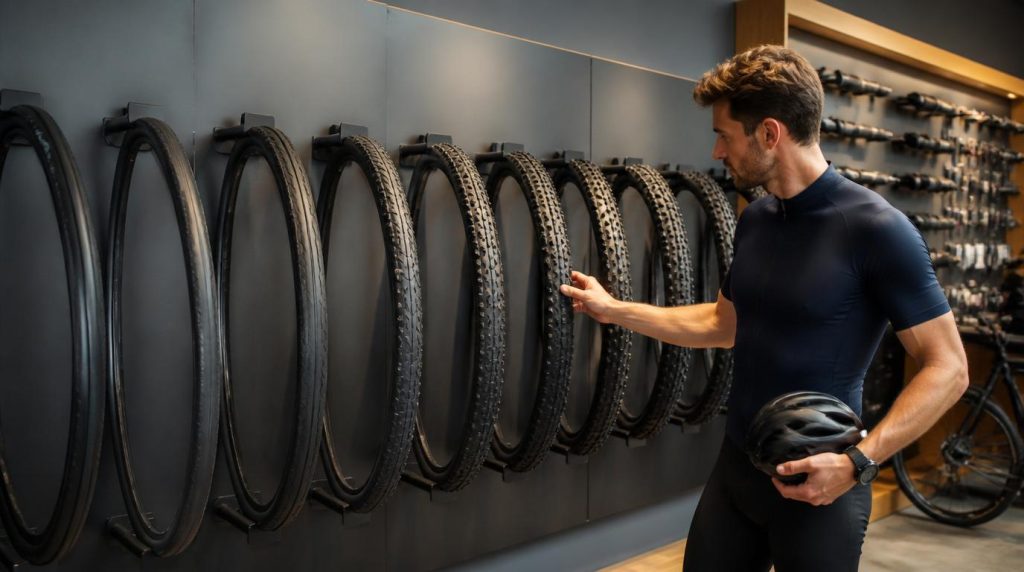
Tires are the single most impactful upgrade you can make to any bike — far ahead of wheels, components, or weight savings elsewhere. The right tire for your discipline can save or cost you 10–20 watts of rolling resistance, and the difference between a well-matched tire and a poor choice is one you will feel on every ride.
This guide covers the best tires for 2026 across every major category — road, gravel, MTB trail/enduro, MTB XC, MTB semi-slick for tarmac, hybrid/city, touring, and fat bikes — based on independent lab test data from Bicycle Rolling Resistance, the most comprehensive independent tire testing resource available, alongside real-world expert reviews.
How to Use This Guide
Each category is structured the same way: a primary recommendation that suits most riders, followed by alternatives for specific priorities (fastest, most protective, best value), and a size availability table where relevant. Rolling resistance figures are from Bicycle Rolling Resistance testing where available, measured in watts at a standardised speed and load.
Table of Contents
- Road Bike Tires
- Gravel Bike Tires
- MTB Trail and Enduro Tires
- MTB XC (Cross-Country) Tires
- MTB Semi-Slick Tires for Tarmac
- Hybrid and City Bike Tires
- Touring Bike Tires
- Fat Bike Tires
- How to Choose the Right Tire Pressure for Your New Tires
- FAQ
Road Bike Tires
Road tires are where rolling resistance data matters most. The difference between the fastest and slowest tires in this category represents around 6–8 watts per tire — the equivalent of a meaningful training gain, achievable simply by mounting better rubber.
What to Prioritise
- Rolling resistance is the primary performance metric, especially for performance-oriented riders
- Puncture resistance and tread life matter for commuting, training, and long-distance riding
- Tubeless vs clincher: tubeless tires are consistently 2–4 watts faster per tire at equivalent pressure, and offer pinch-flat immunity — worth the setup effort for most road riders
Best All-Round Road Tire (Clincher): Continental Grand Prix 5000
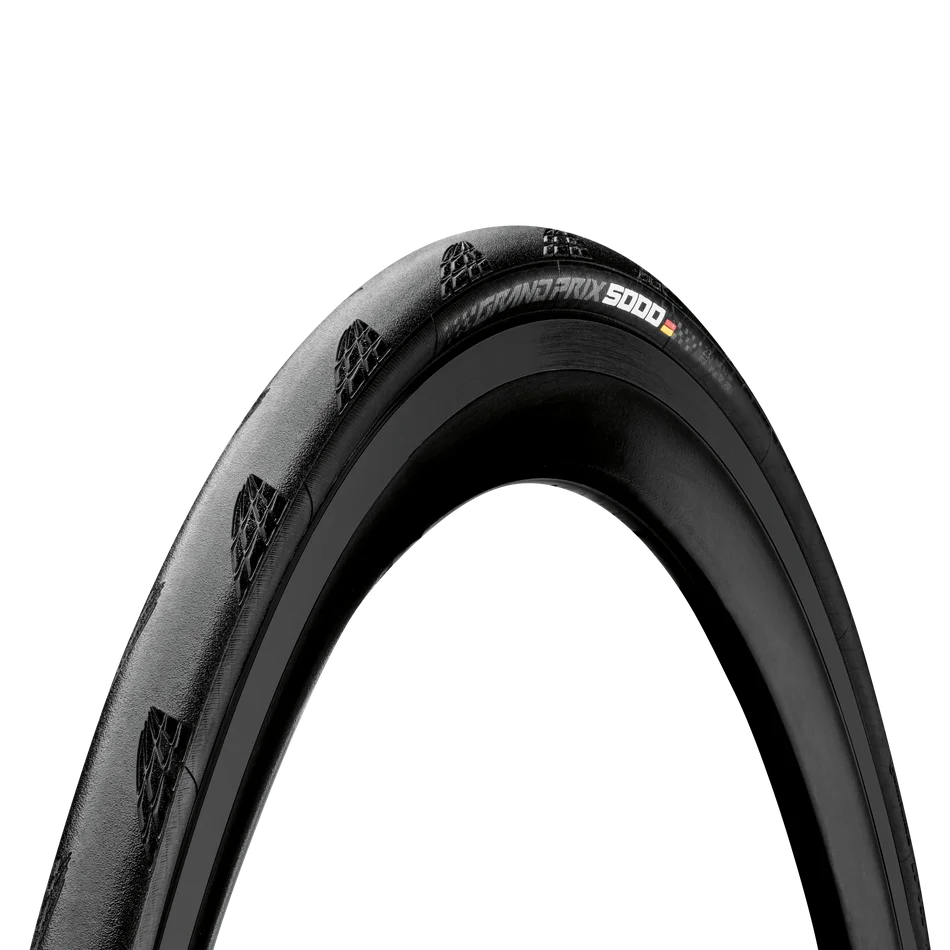
The Continental Grand Prix 5000 has been the benchmark all-round clincher road tire for years, and independent rolling resistance testing continues to confirm its position. It offers an exceptional combination of low rolling resistance, long tread life, and solid puncture protection via Vectran belt technology. It is the most-tested and most-recommended road tire at Bicycle Rolling Resistance, with consistently strong results.
Available sizes: 700x23c, 700x25c, 700x28c, 700x32c
Best All-Round Road Tire (Tubeless): Continental GP 5000 S TR
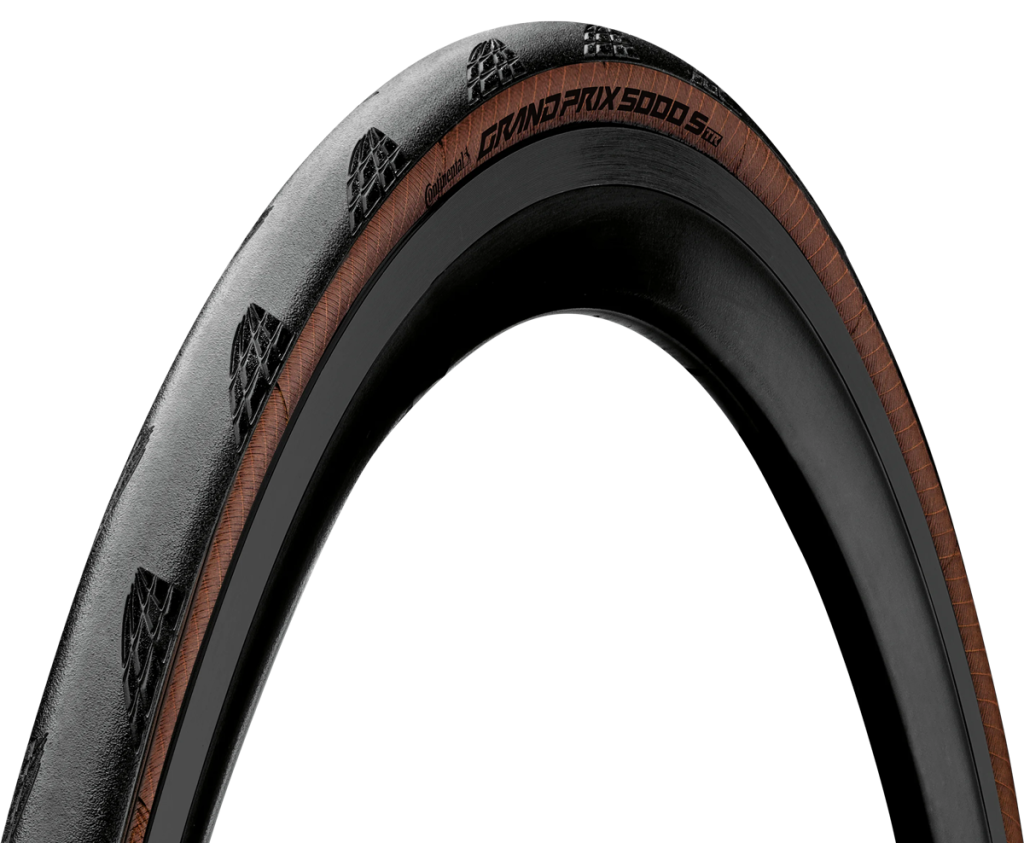
The tubeless version of the GP 5000, measuring approximately 9.7W at 29 km/h in 28mm on the Bicycle Rolling Resistance testing rig — a significant improvement over the clincher version. It offers the same proven Vectran puncture protection in a tubeless-ready format, with an excellent balance of rolling speed, puncture protection, and tread longevity.
Available sizes: 700x25c, 700x28c, 700x30c, 700x32c, 700x35c, 700x40c
Fastest Road Tire: Vittoria Corsa Pro Speed TLR
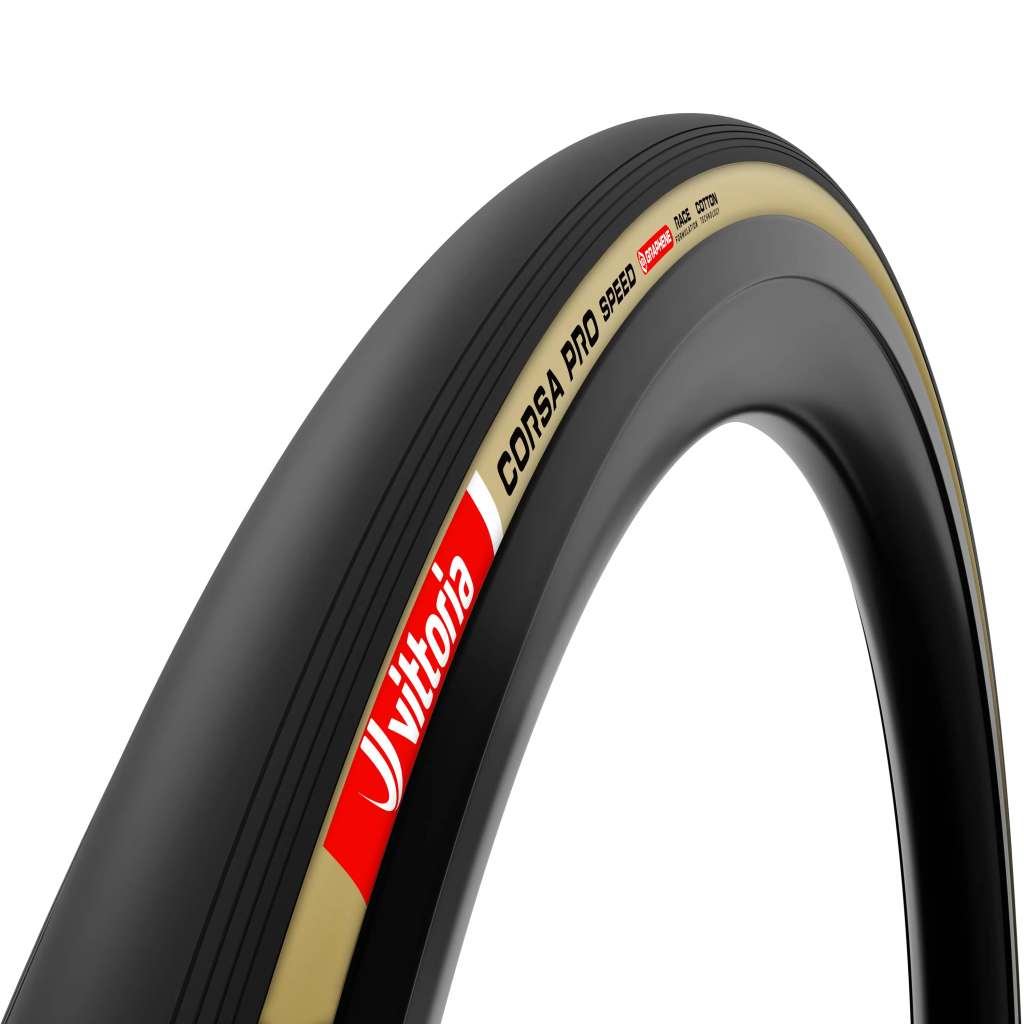
At just 6.7W in independent testing — the lowest rolling resistance of any road tire measured by Bicycle Rolling Resistance — the Vittoria Corsa Pro Speed TLR is the fastest road tire currently available. It uses an ultra-thin tread and cotton casing with no puncture protection strip, relying on sealant to handle small punctures. The trade-off is fragility: this is a tire for race days and optimal conditions, not daily training.
Available sizes: 700x24c, 700x26c, 700x28c
Best for Puncture Protection: Pirelli Cinturato Velo TLR
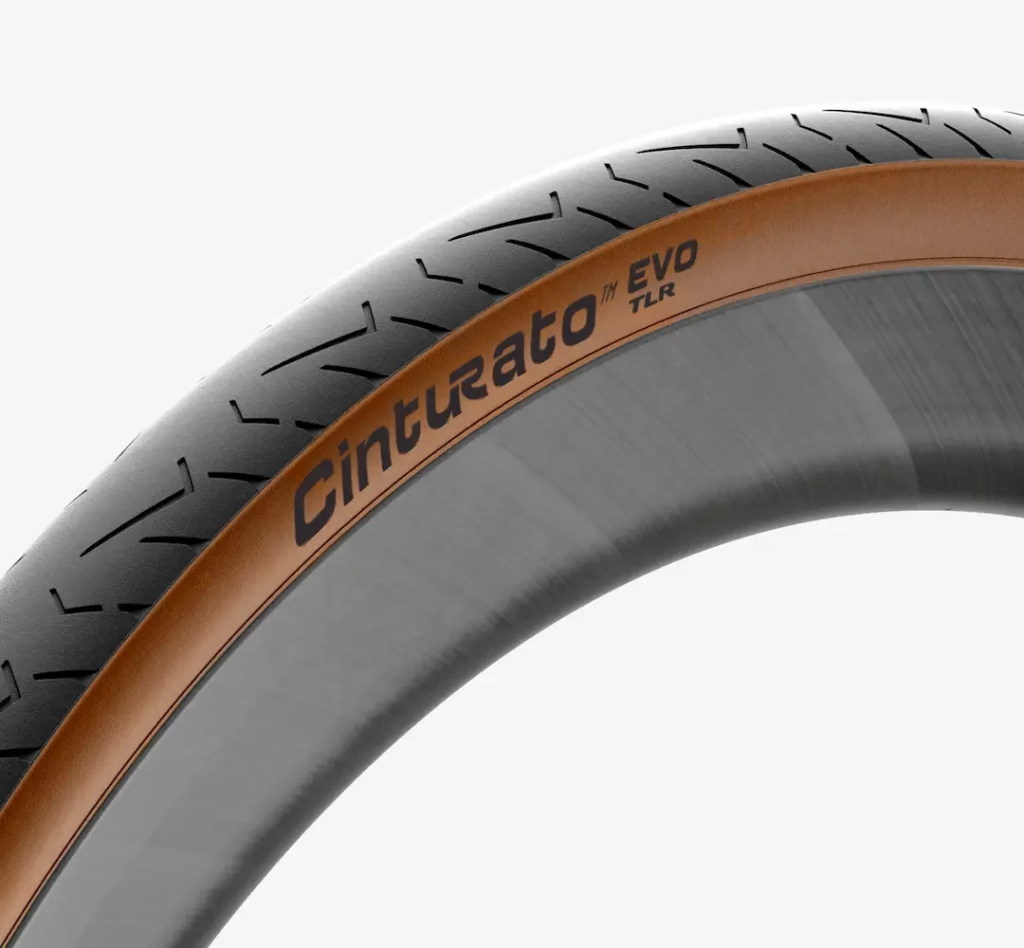
For riders who prioritise durability and flat resistance over outright speed, the Pirelli Cinturato Velo TLR provides class-leading puncture protection in a tubeless format, with a significantly lower rolling resistance penalty than older armoured touring tires. A strong choice for urban riding, bad-weather training, or long sportive events where reliability matters as much as performance.
Available sizes: 700x26c, 700x28c, 700x30c, 700x35c, 700x40c
Road Tire Size and Rolling Resistance Summary
| Priority | Best Pick | Rolling Resistance (28mm) | Sizes Available |
|---|---|---|---|
| Best all-round (clincher) | Continental Grand Prix 5000 | ~11W | 700x23c–32c |
| Best all-round (tubeless) | Continental GP 5000 S TR | ~9.7W | 700x25c–40c |
| Fastest (race/tubeless) | Vittoria Corsa Pro Speed TLR | ~6.7W | 700x24c–28c |
| Best puncture protection | Pirelli Cinturato Velo TLR | ~14W | 700x26c–40c |
Note: Rolling resistance values are measured at standardised conditions (42.5 kg load, 29 km/h). Real-world values vary with pressure, surface, and temperature. A tubeless tire at lower pressure on real road surfaces often outperforms its drum-test figures.
Gravel Bike Tires
Gravel tires span the widest range of any category — from fast semi-slicks designed for hardpack racing to aggressive knobby tires for technical singletrack. The right choice depends heavily on your typical terrain mix.
A major 2026 gravel tire group test by Gran Fondo Cycling Magazine tested 32 tires at 45mm width, the current industry sweet spot that fits most modern gravel frames and balances efficiency with comfort and grip.
What to Prioritise
- Terrain mix is the defining variable — a fast hardpack tire is the wrong choice for loose, muddy terrain, and vice versa
- Tubeless is strongly recommended for gravel — the lower pressure benefits (traction, comfort) are significant, and sealant handles the small punctures that are common on gravel
- Rolling resistance matters on tarmac transfers and hardpack, but grip matters more in loose or wet conditions
Best Fastest Gravel Tire: Schwalbe G-One RS Pro
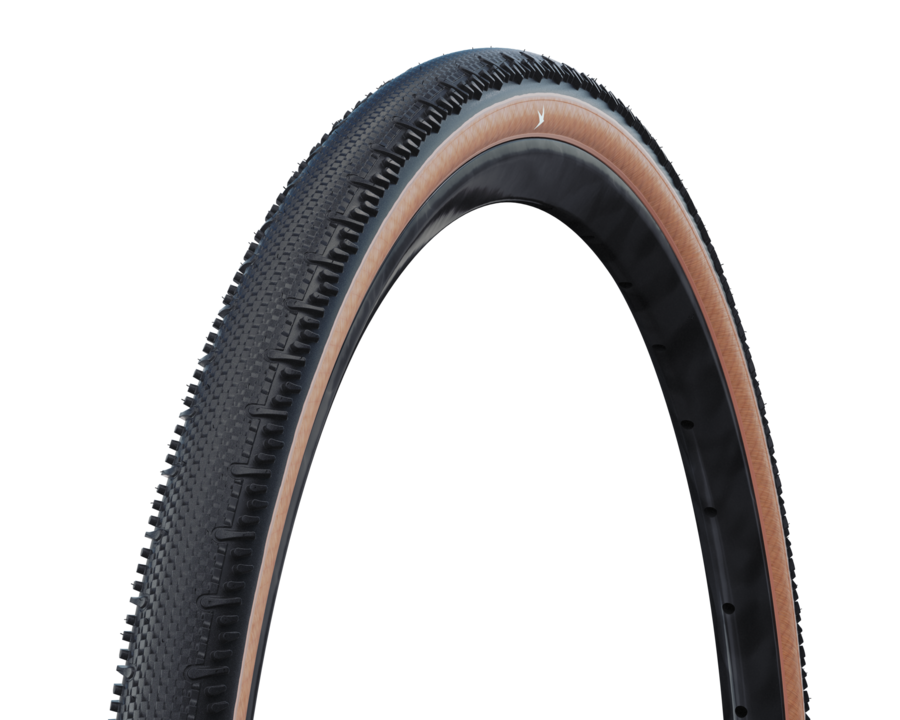
At 10.6W in the 2026 Gran Fondo group test — the fastest gravel tire in the entire 32-tire test field — the Schwalbe G-One RS Pro is the benchmark for gravel racing. Its wide centre strip features minimal knobs for speed and efficiency, while taller shoulder lugs provide grip in corners. It excels on hardpack and tarmac transfers, but reaches its limits quickly in muddy conditions.
Available sizes: 700x35c, 700x40c, 700x45c
Best All-Round Gravel Tire: Schwalbe G-One RX Pro
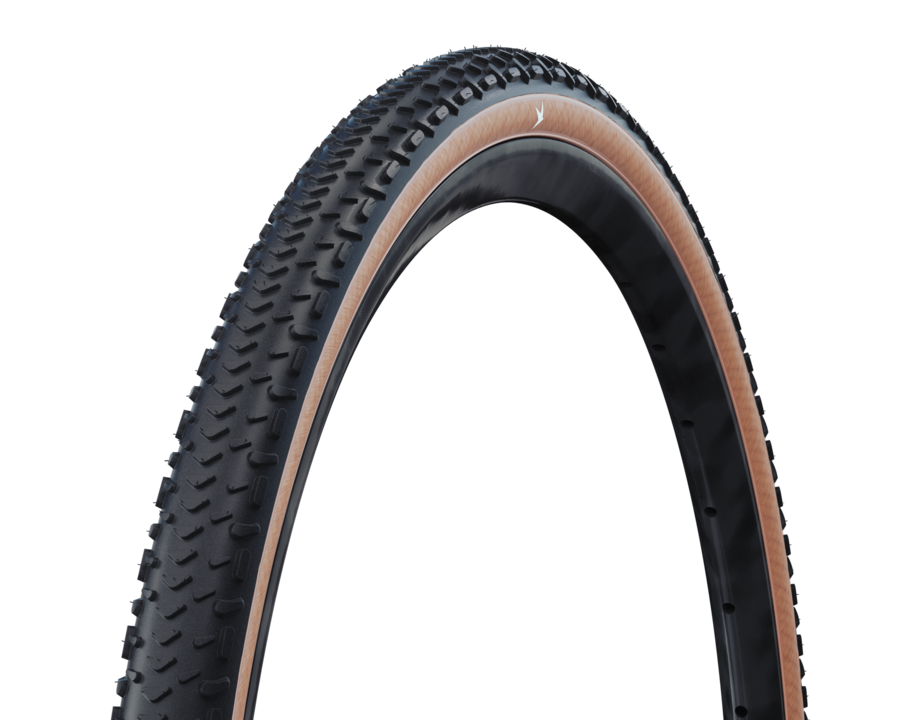
The test winner in the 2026 Gran Fondo gravel group test, the G-One RX Pro earns its title through a rare combination: fast rolling, high grip across terrain types, excellent puncture protection, and outstanding compliance. It handles everything from tarmac to rough gravel to light singletrack without significant weakness in any area — genuinely “fit and forget” versatility.
Available sizes: 700x35c, 700x40c, 700x45c, 650b x 47c
Best Value Gravel Tire: Maxxis Rambler
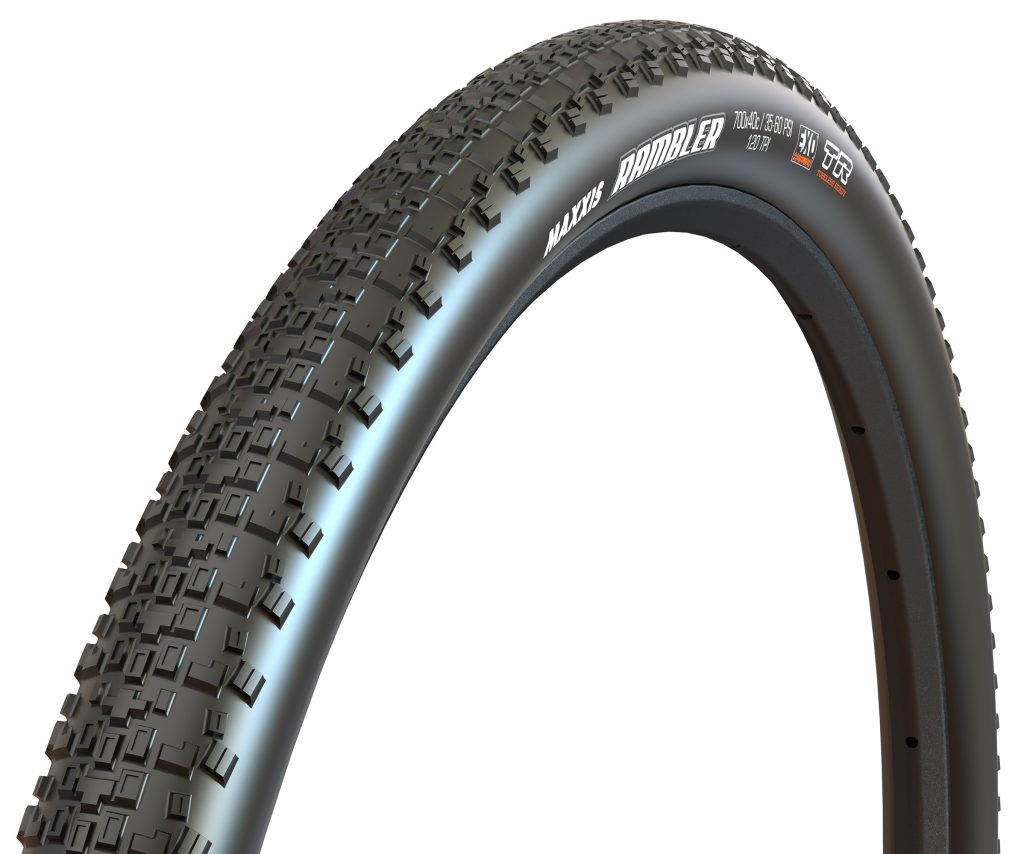
Named “Best Buy” in the 2026 Gran Fondo gravel group test, the Maxxis Rambler delivers impressively high grip and confident, predictable handling at a notably competitive price. Its understated tread pattern belies how well it performs across a range of conditions, making it an excellent everyday tire for gravel riders who want performance without the premium price of racing-focused options.
Available sizes: 700x40c, 700x45c, 700x50c, 650b x 47c
Best for Mixed/Technical Terrain: Pirelli Cinturato Gravel RC
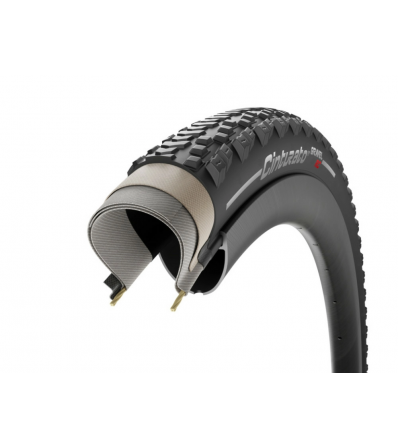
Designed for gravel racing but equally at home on mixed terrain, the Pirelli Cinturato Gravel RC offers confident, stable grip across almost all conditions except genuine deep mud. Its SpeedGrip compound and alternating tread design shed dirt effectively. An excellent choice for riders whose routes include a mix of hardpack, loose gravel, and occasional technical sections.
Available sizes: 700x35c, 700x40c, 700x45c, 650b x 45c
Gravel Tire Summary
| Priority | Best Pick | Rolling Resistance (45mm) | Sizes Available |
|---|---|---|---|
| Fastest (racing/hardpack) | Schwalbe G-One RS Pro | 10.6W | 700×35–45c, 650b |
| Best all-round | Schwalbe G-One RX Pro | ~13W | 700×35–45c, 650b |
| Best value | Maxxis Rambler | ~14W | 700×40–50c, 650b |
| Best mixed/technical terrain | Pirelli Cinturato Gravel RC | ~13.5W | 700×35–45c, 650b |
MTB Trail and Enduro Tires
Trail and enduro tires prioritise grip and traction over rolling speed. The difference in rolling resistance between the slowest and fastest trail tires is significant, but on genuine off-road terrain, traction and casing performance matter far more than drum-test rolling resistance figures.
What to Prioritise
- Front vs rear tires: most experienced trail and enduro riders run different tires front and rear — an aggressive front for grip and steering confidence, a faster-rolling rear for pedalling efficiency and durability
- Casing: DH casings for maximum protection and durability; EXO+ for trail use; EXO for lighter trail/XC riding
- Compound: softer compounds (MaxxGrip, Super Soft) offer more grip but wear faster; harder compounds roll faster and last longer
Best Trail/Enduro Front Tire: Maxxis Assegai
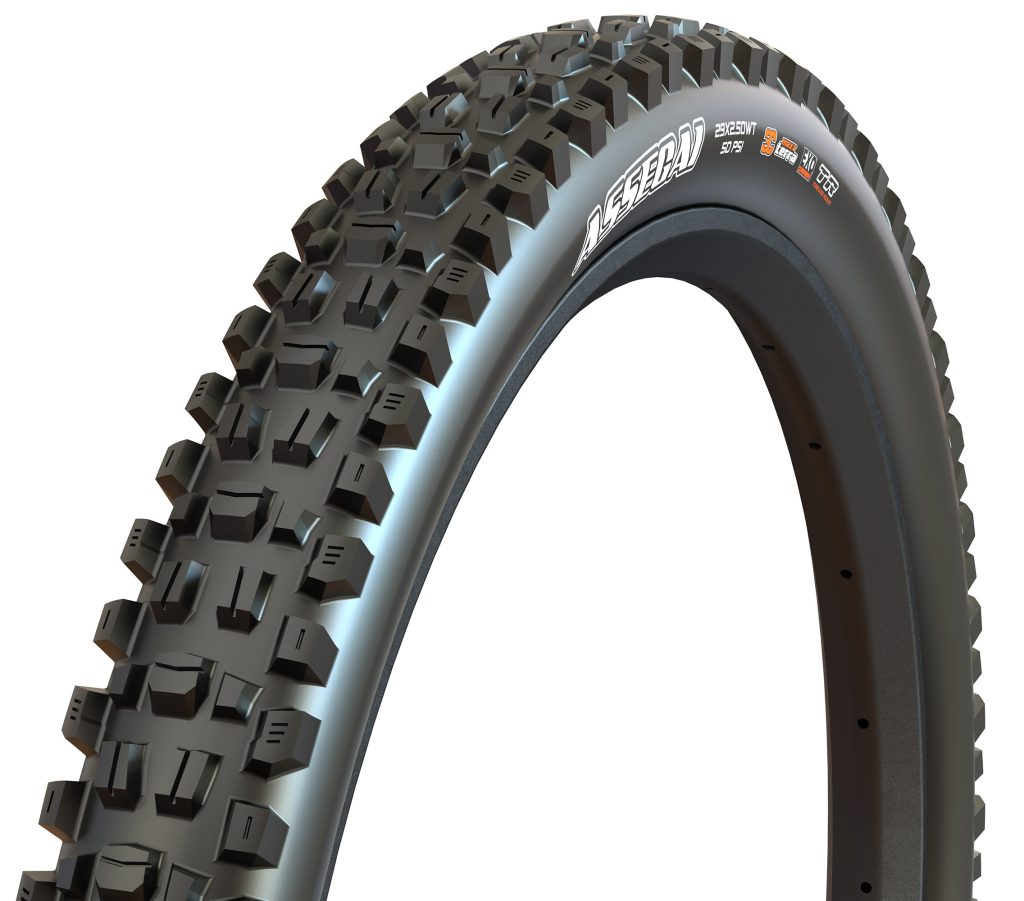
Developed with downhill racing legend Greg Minnaar, the Maxxis Assegai has become the benchmark front tire for trail and enduro riding worldwide. Its 3-2 knob centre pattern and tall side knobs provide predictable, confidence-inspiring cornering grip in conditions ranging from dry hardpack to loose loam and mud. Available in EXO, EXO+, and Double Down casings to suit trail through to full enduro use.
| Size | Casing Options | Notes |
|---|---|---|
| 27.5 x 2.5″ | EXO+, DD | Full width; most popular enduro setup |
| 29 x 2.5″ | EXO, EXO+, DD | Dominant modern trail/enduro choice |
| 26 x 2.5″ | EXO | Less common; available for older frames |
Best Trail/Enduro Rear Tire: Maxxis Dissector 2
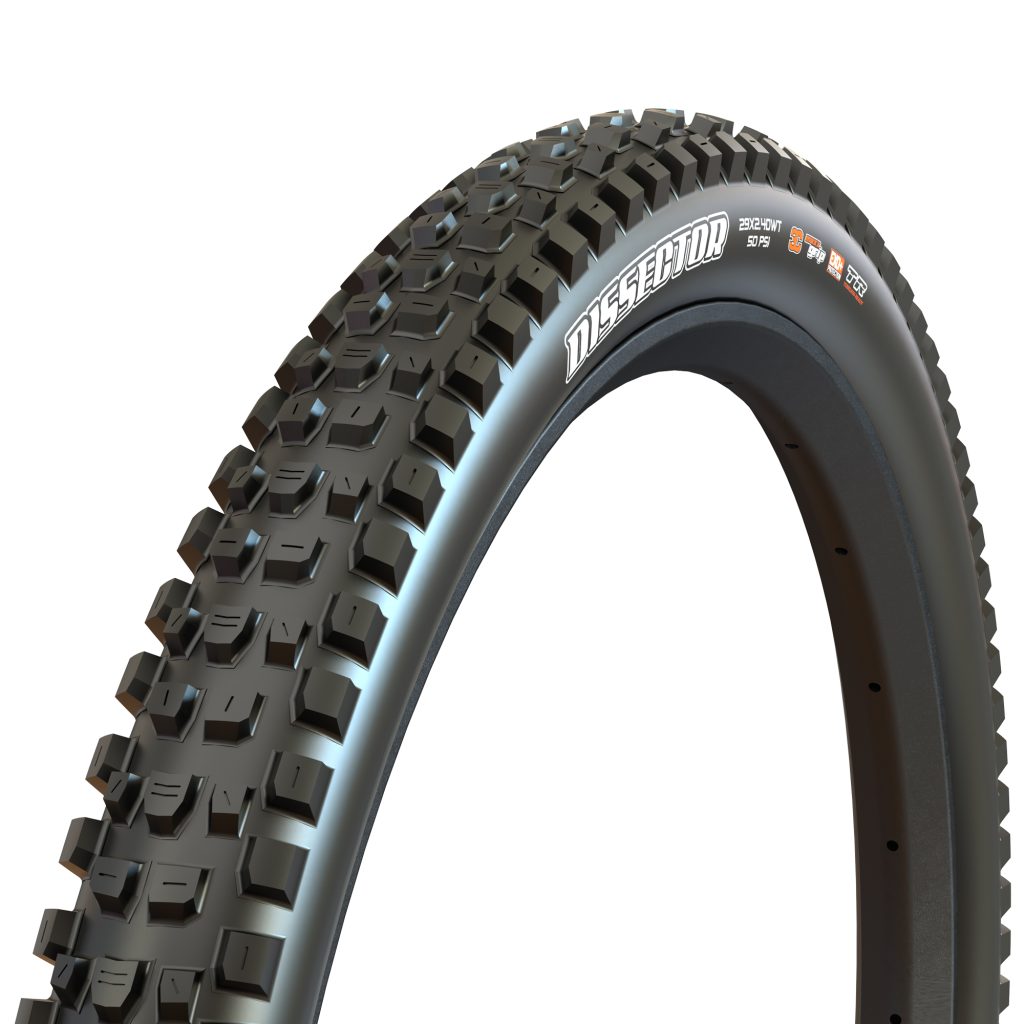
The completely redesigned Dissector 2 addresses the original’s “on-off” feel by adding transition knobs between the centre and side tread, and significantly beefing up the centre blocks for more braking and climbing traction. It is faster-rolling than the Assegai while still providing strong braking grip and composed cornering — the ideal rear companion to the Assegai front.
| Size | Casing Options | Notes |
|---|---|---|
| 27.5 x 2.4″ | EXO, EXO+ | Standard trail setup |
| 29 x 2.4″ | EXO, EXO+ | Most popular modern setup |
| 26 x 2.4″ | EXO | Available for older 26″ frames |
Best Trail/Enduro Alternative (All Sizes): Continental Kryptotal
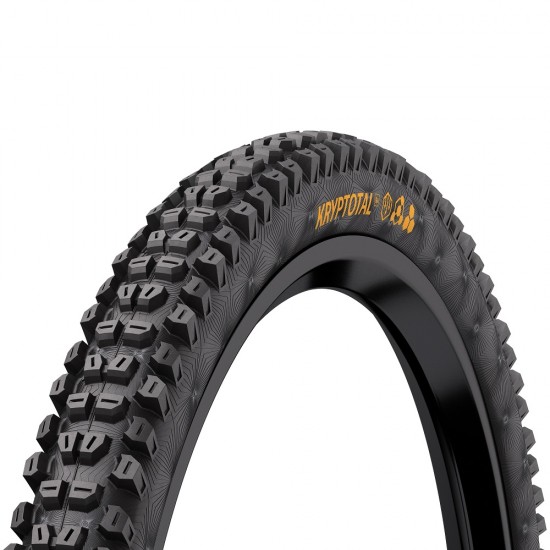
Designed in partnership with the Atherton Racing Team, the Continental Kryptotal comes in dedicated front and rear versions with different tread patterns optimised for their specific roles. The front excels at confident, predictable steering, while the rear provides sharp braking and precise speed control. Super Soft rubber delivers grip similar to Maxxis MaxxGrip but with notably better longevity — a genuine advantage for everyday trail use. Available for all three wheel sizes.
| Size | Front/Rear | Notes |
|---|---|---|
| 26 x 2.4″ | Both | Front and rear versions available |
| 27.5 x 2.4″ | Both | Popular enduro setup |
| 29 x 2.4″ | Both | Most commonly specified version |
Best for Extreme Grip / Wet Conditions: Schwalbe Magic Mary
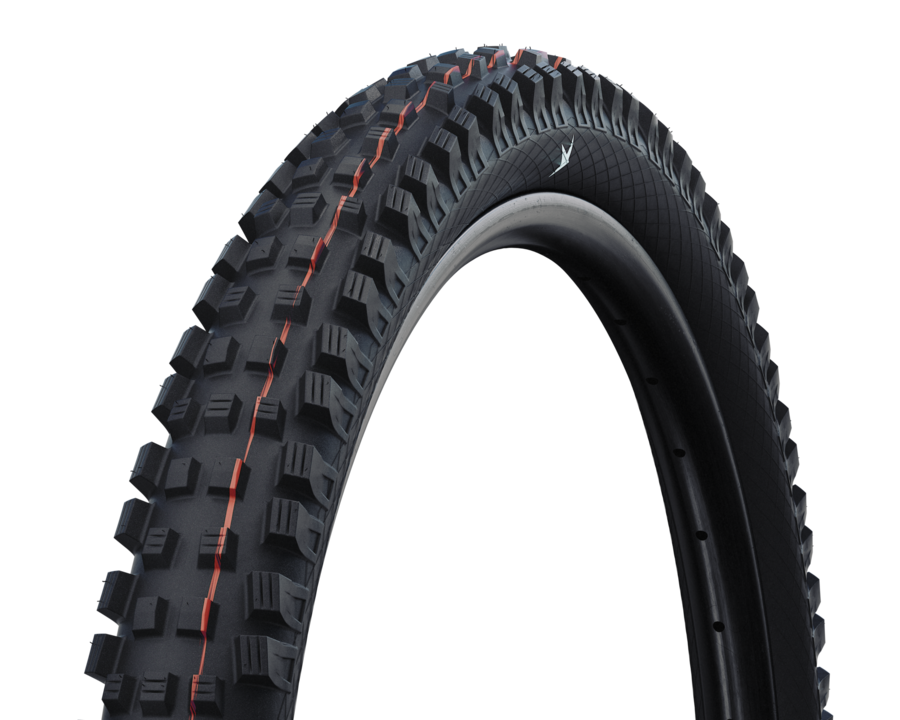
Schwalbe’s Magic Mary has proven itself across decades of trail riding as the most dependable all-condition tire in its category. Its complex, multi-faceted tread pattern provides outstanding grip from dry hardpack through to deep mud and wet roots, without the dramatic on-off feel of more aggressively specialised mud tires. The 2026 version features Schwalbe’s new radial casing option for improved compliance and grip at higher pressures — an option unique to Schwalbe in this market segment.
| Size | Notes |
|---|---|
| 26 x 2.4″ | Available in Super Trail and Super Gravity casings |
| 27.5 x 2.4″, 2.6″ | Full range available |
| 29 x 2.4″, 2.6″ | Most popular setup for modern trail bikes |
Trail/Enduro Tire Summary
| Role | Primary Pick | Best Alternative | Available Sizes |
|---|---|---|---|
| Front tire (trail/enduro) | Maxxis Assegai | Continental Kryptotal Fr | 26, 27.5, 29″ |
| Rear tire (trail/enduro) | Maxxis Dissector 2 | Continental Kryptotal Re | 26, 27.5, 29″ |
| All-conditions grip | Schwalbe Magic Mary | Maxxis High Roller 3 | 26, 27.5, 29″ |
MTB XC (Cross-Country) Tires
XC tires are built around rolling speed and low weight, with enough grip to handle modern XC race courses, which have become increasingly technical over the past decade. Rolling resistance data from Bicycle Rolling Resistance is particularly relevant here, since the performance gap between XC tires is more impactful than in trail/enduro riding, where terrain grip dominates.
What to Prioritise
- Rolling resistance directly impacts race times and training ride pace on XC terrain
- Weight is significant — the best XC tires are 500–750g, versus 1,000g+ for trail tires
- Front/rear matching: running different tires front and rear is standard practice — faster-rolling rear, more traction-focused front
Best XC Rear Tire / Semi-Slick: Schwalbe Thunder Burt
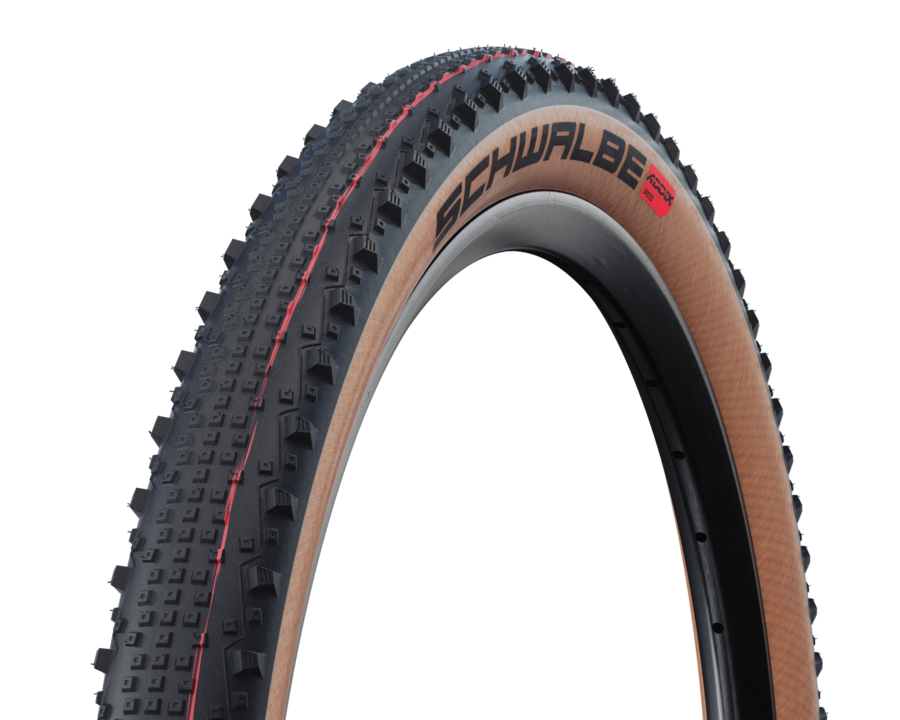
The Schwalbe Thunder Burt is the fastest-rolling MTB tire tested by Bicycle Rolling Resistance (15.7W in Super Ground 29″ format), and is widely regarded as the fastest XC semi-slick available. Its tightly packed micro-knob tread rolls with road-bike efficiency on hardpack and dry conditions while the shoulder knobs provide cornering traction. Best used as a rear tire on dry, hardpacked terrain.
| Size | Casing Options | Notes |
|---|---|---|
| 26 x 2.1″ | Super Ground | Less commonly available |
| 27.5 x 2.1″, 2.25″ | Super Ground, Super Race | Full availability |
| 29 x 2.1″, 2.25″, 2.35″ | Super Ground, Super Race | Most popular XC setup |
Best XC Front Tire: Schwalbe Racing Ray
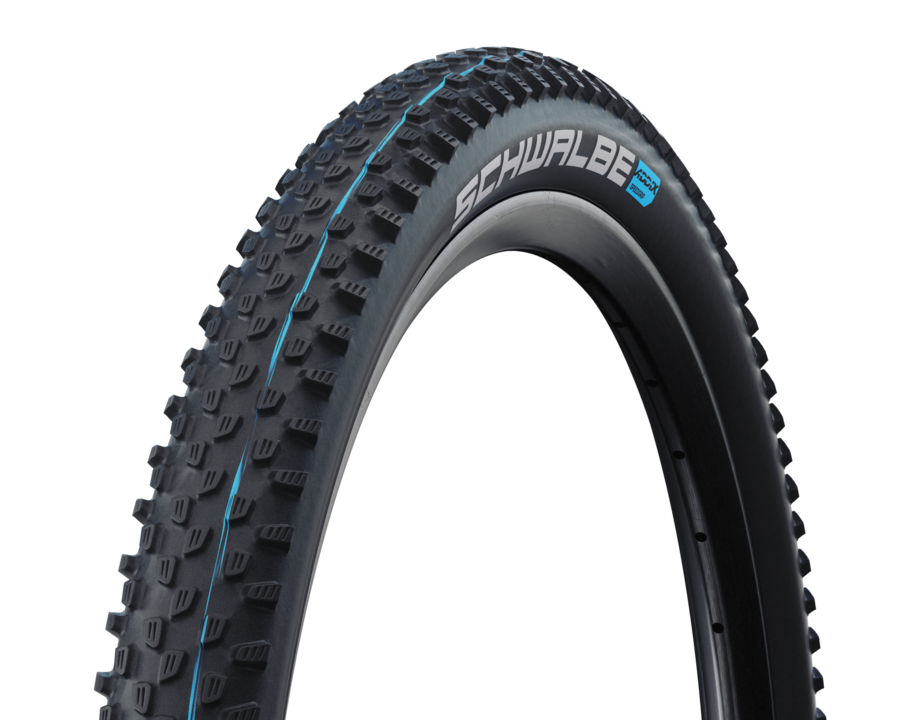
The Racing Ray is designed as the front-specific complement to the Racing Ralph rear, featuring tightly-spaced and staggered centre tread with generous shoulder blocks for cornering confidence. It works very well in both dry and damp conditions, provides a reassuring feel through corners, and is confidence-inspiring under braking. Combined with the Racing Ralph, it forms one of the lightest and fastest tire pairings available for XC racing.
| Size | Notes |
|---|---|
| 27.5 x 2.25″ | Full availability |
| 29 x 2.1″, 2.25″, 2.35″ | Full availability |
| 26″ | Limited — check availability per region |
Best XC All-Round / Versatile: Maxxis Aspen
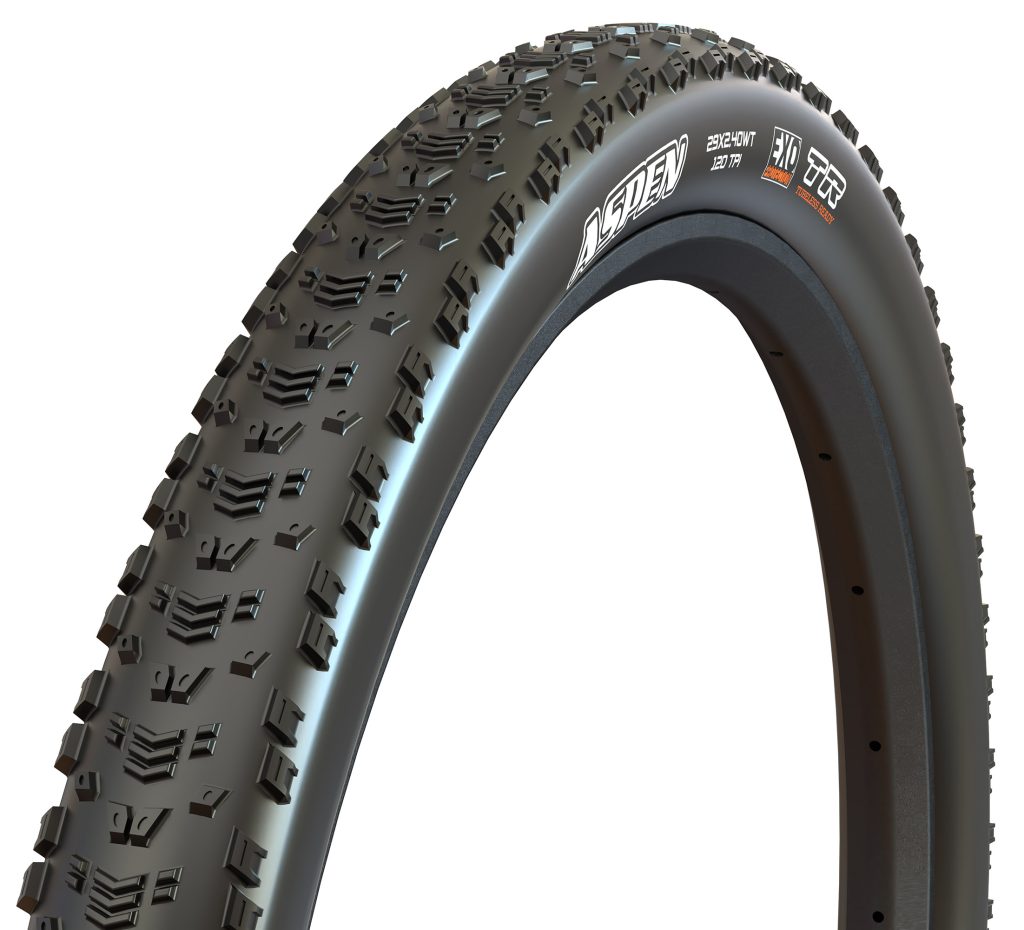
Developed with 10-time XC World Champion Nino Schurter, the Maxxis Aspen is one of the most proven XC race tires in the world. Its very low centre tread height delivers fast rolling speed, while fuller, blocky corner knobs provide cornering traction that belies the semi-slick appearance. It works in both dry and moderately wet conditions, making it a more versatile choice than the Thunder Burt on varied terrain. Available in a Wide Trail version (WT, 29 x 2.4″) for wider rims.
| Size | Notes |
|---|---|
| 26 x 2.25″ | Available |
| 27.5 x 2.25″, 2.4″ WT | Full availability |
| 29 x 2.25″, 2.35″, 2.4″ WT | Most popular XC setup |
Alternative for 26″: The Maxxis Rekon Race (available in 26 x 2.25″ and 26 x 2.35″) offers similar semi-slick performance to the Aspen and is often the better option when 26″ Aspen stock is limited.
MTB XC Tire Rolling Resistance Comparison
| Tire | Rolling Resistance (BRR) | Best Conditions | Available Sizes |
|---|---|---|---|
| Schwalbe Thunder Burt 29×2.35 | ~15.7W | Dry hardpack | 26, 27.5, 29″ |
| Schwalbe Racing Ralph 29×2.35 | ~17.2W | Dry to damp | 27.5, 29″ (26″ limited) |
| Maxxis Aspen 29×2.35 | ~17.8W | Dry to mixed | 26, 27.5, 29″ |
| Maxxis Rekon Race 29×2.35 | ~18.5W | Dry to mixed | 26, 27.5, 29″ |
MTB Semi-Slick Tires for Tarmac
Many MTB riders use their bikes on tarmac for commuting, road transfers between trails, or simply because they prefer the versatility of one bike. A semi-slick or near-slick tire on an MTB dramatically reduces rolling resistance on pavement — often bringing it closer to a hybrid tire — without requiring a full wheel or tire change.
What to Prioritise
- Rolling resistance on tarmac is the primary consideration — choose a tire with the least knob height compatible with occasional light off-road use
- Size compatibility with your frame — most MTB frames can accommodate a wide semi-slick without clearance issues
- Whether you need any off-road capability — some semi-slicks are road-only, others retain enough tread for light gravel
Best MTB Semi-Slick (27.5″ and 29″): Schwalbe G-One Speed Pro
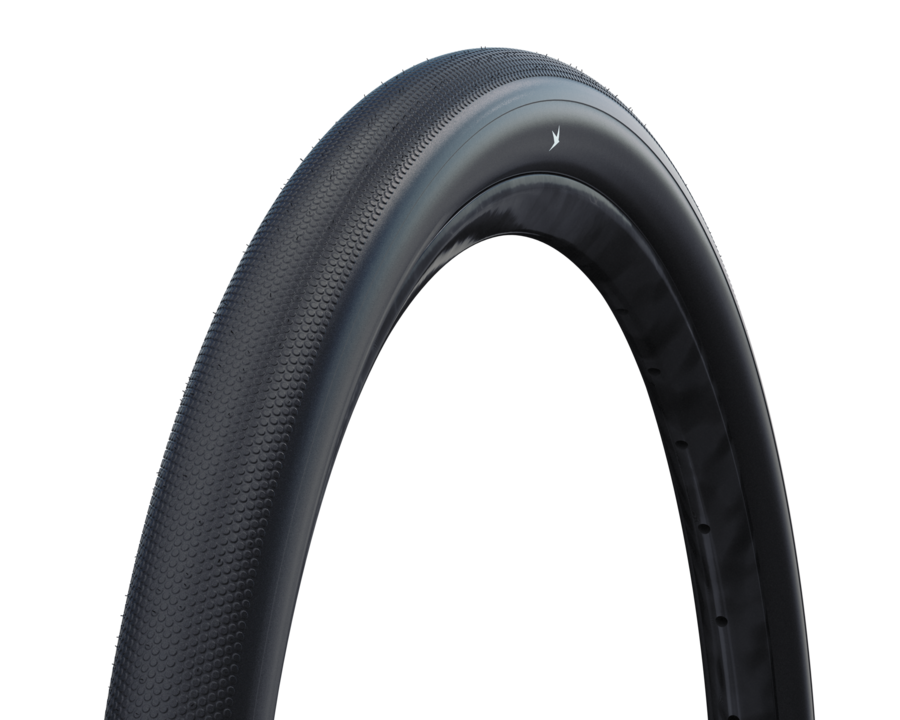
The Schwalbe G-One Speed Pro bridges the gap between gravel and MTB, offering one of the lowest rolling resistances of any MTB-sized tire at 11.9W in Bicycle Rolling Resistance testing (29 x 2.0″ format) — faster than many dedicated gravel tires and dramatically faster than trail tires. Its near-slick centre tread with minimal side knobs provides low rolling resistance on tarmac while retaining enough edge grip for hardpack gravel and smooth trails.
| Size | Notes |
|---|---|
| 27.5 x 2.0″ | Full availability |
| 29 x 2.0″, 2.35″ | Full availability |
Best MTB Semi-Slick (26″): Schwalbe G-One Speed Pro / Kojak
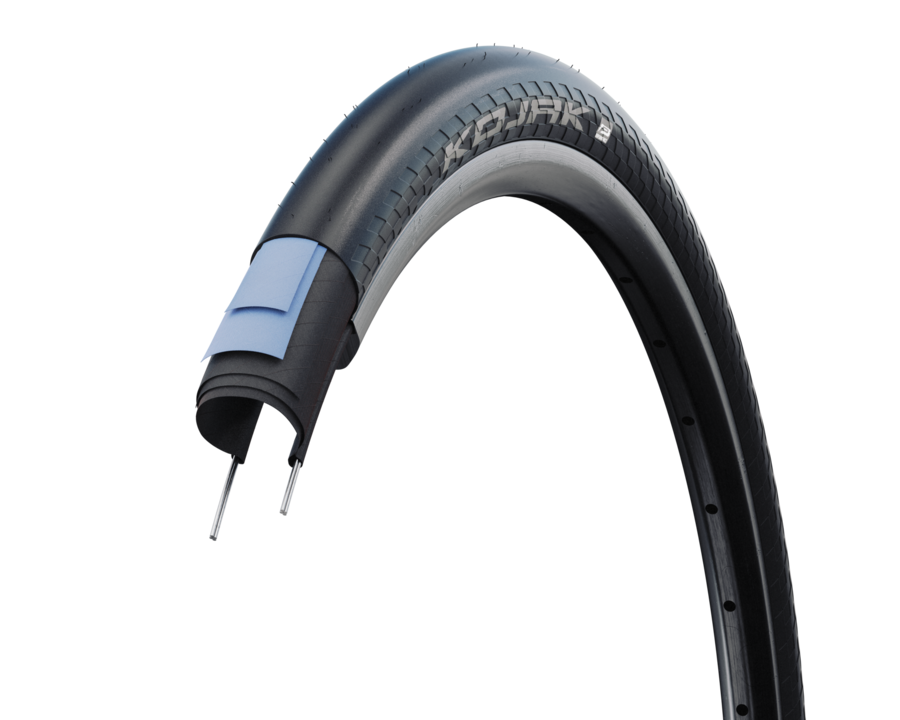
The Schwalbe G-One Speed Pro is available in a 26 x 2.0″ version, making it the primary recommendation for 26″ frames as well, with similar rolling characteristics to the larger sizes. For riders whose frames cannot accommodate the G-One’s width, the Schwalbe Kojak (26 x 1.35″ and 26 x 2.0″) is an alternative near-slick option with an even lower tread profile for maximum road efficiency.
| Tire | Size | Notes |
|---|---|---|
| Schwalbe G-One Speed Pro | 26 x 2.0″ | First choice for most 26″ frames |
| Schwalbe Kojak | 26 x 1.35″, 26 x 2.0″ | Alternative for maximum road speed |
MTB Semi-Slick Tarmac Tire Rolling Resistance
| Tire | Rolling Resistance (BRR) | Best For |
|---|---|---|
| Schwalbe G-One Speed Pro 29×2.0 | ~11.9W | Tarmac + hardpack gravel |
| Schwalbe Thunder Burt 29×2.35 | ~15.7W | Fast XC dual-purpose use |
| Maxxis Rekon Race 29×2.35 | ~18.5W | Semi-slick with light tread |
Hybrid and City Bike Tires
Hybrid and city bike tires need to balance durability against urban hazards (glass, debris, rough pavement), adequate rolling speed for comfortable commuting distances, and often wet-weather grip that is reliable on painted lines and manhole covers.
What to Prioritise
- Puncture protection is the most important factor for most commuters — a flat on a commute to work has real consequences
- Rolling speed matters for longer commutes, but is secondary to reliability
- Reflective sidewalls are worth specifying for visibility in low-light conditions
Best Hybrid/City Tire (Maximum Puncture Protection): Schwalbe Marathon Plus
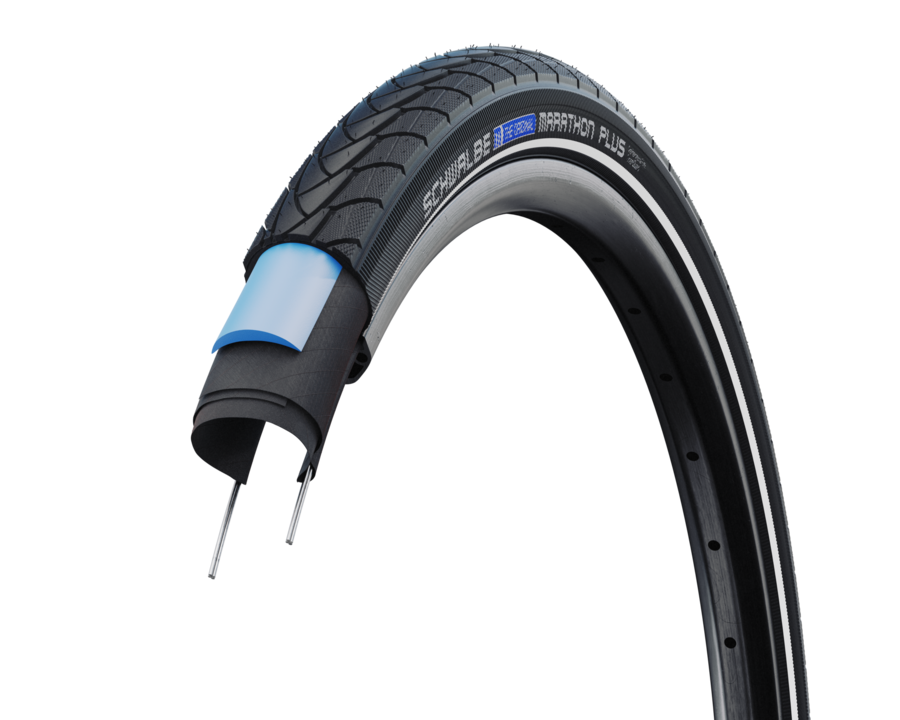
The Schwalbe Marathon Plus is the benchmark puncture-resistant commuter tire and Schwalbe’s best-selling tire globally. Its 5mm SmartGuard layer is the thickest puncture protection belt of any widely available tire, giving it a legendary reputation for near-flat-less riding across diverse urban conditions. The trade-off is weight and rolling resistance — at approximately 25.5W (Bicycle Rolling Resistance), it is significantly slower than performance tires, but for commuters prioritising reliability above speed, it remains the standard recommendation.
Available sizes (700c): 25mm, 28mm, 32mm, 35mm, 38mm, 40mm, 45mm, 47mm Available sizes (26″): 1.5″, 1.75″, 2.0″
Best Hybrid/City Tire (Speed and Protection Balance): Continental Contact Plus
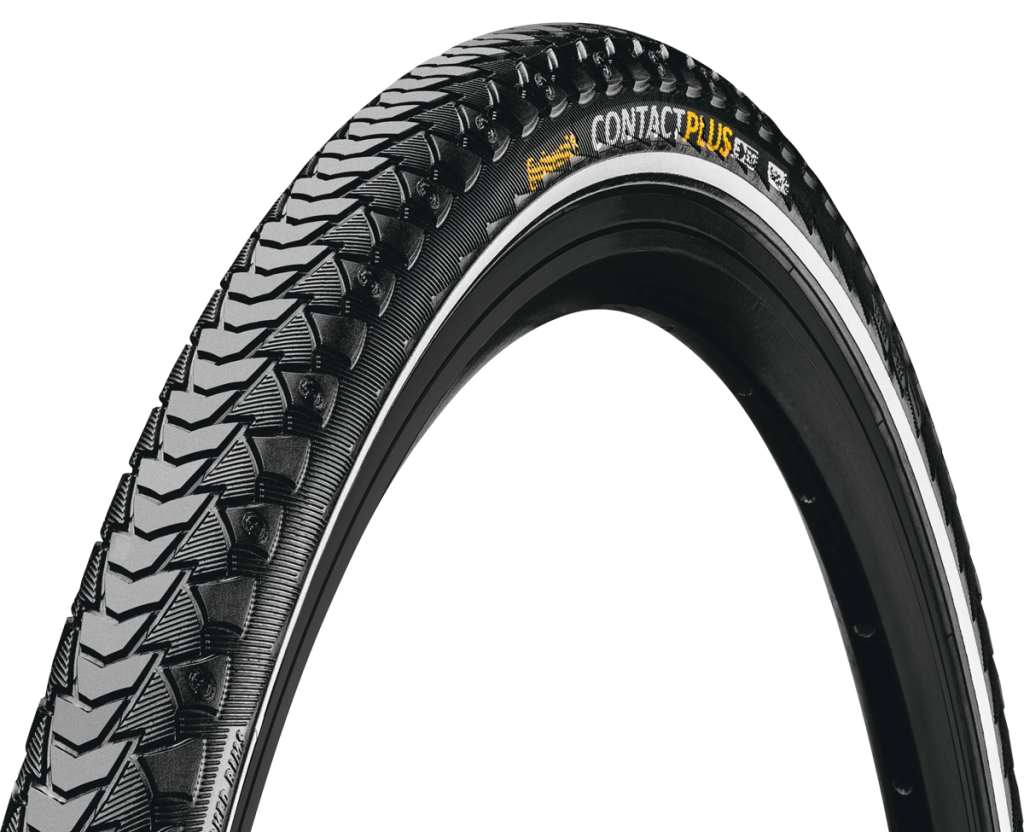
The Continental Contact Plus offers a compelling balance between puncture resistance and rolling efficiency, and has the significant practical advantage of being available in bike shops across more countries than most specialty tires — an important consideration for touring riders who may need a replacement on the road. Its SafetyPro Breaker layer provides strong puncture resistance against glass and debris, while rolling notably faster than the Marathon Plus.
Available sizes (700c): 35mm, 40mm, 42mm, 47mm Available sizes (26″): 1.75″ Available sizes (27.5″): 1.65″
Best Hybrid/City Tire (Rolling Speed): Schwalbe Marathon Efficiency
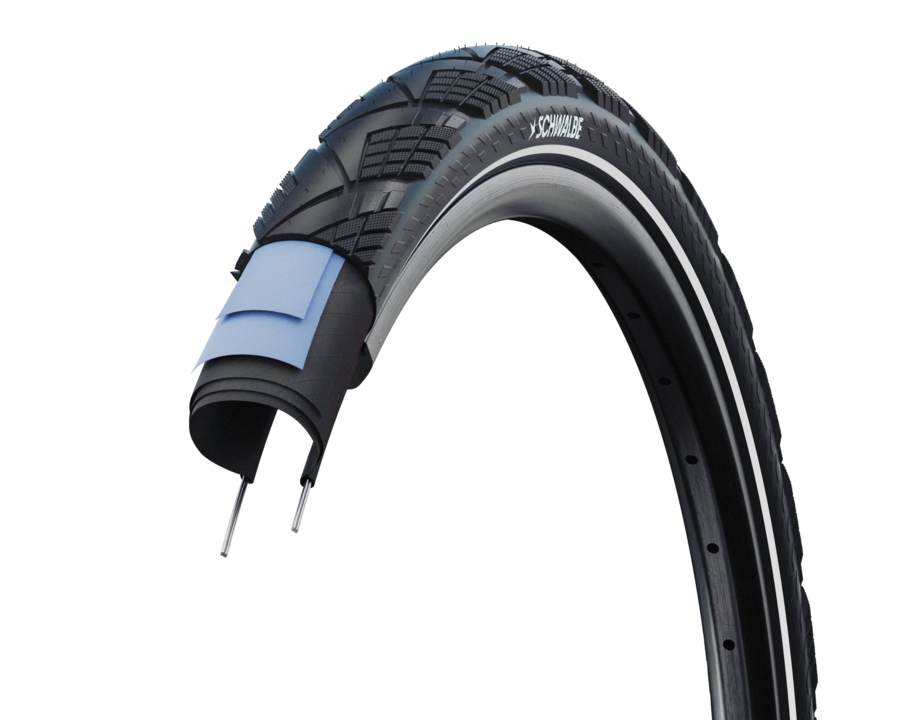
For riders who commute longer distances and prioritise speed, the Schwalbe Marathon Efficiency is the fastest rolling tire in the Marathon range according to Bicycle Rolling Resistance testing (approximately 18.5W), while maintaining Marathon-level puncture protection via its V-Guard fabric layer. It uses the same Super Race casing found on Schwalbe’s fastest mountain and gravel tires, making it noticeably more responsive than the heavier Marathon Plus.
Available sizes (700c): 35mm, 40mm, 45mm Available sizes (26″): 1.75″, 2.0″
Hybrid/City Tire Comparison
| Priority | Best Pick | Rolling Resistance | Sizes |
|---|---|---|---|
| Maximum puncture protection | Schwalbe Marathon Plus | ~25.5W | 700c (25–47mm), 26″ |
| Speed + protection balance | Continental Contact Plus | ~21W | 700c (35–47mm), 26″, 27.5″ |
| Best rolling speed | Schwalbe Marathon Efficiency | ~18.5W | 700c (35–45mm), 26″ |
Touring Bike Tires
Touring tires face demands that no other category does: they carry heavy loads across thousands of kilometres of varied terrain, often far from bike shops and replacement options. Puncture resistance and longevity are the primary requirements, with rolling speed as a secondary consideration.
What to Prioritise
- Puncture resistance is critical — a touring flat in a remote location is a far bigger inconvenience than one on a training ride
- Load durability — touring tires carry significantly more weight than standard riding setups, which accelerates wear
- Availability of replacement — choosing a widely distributed tire model reduces risk on longer expeditions
Best Expedition Touring Tire: Schwalbe Marathon Plus Tour
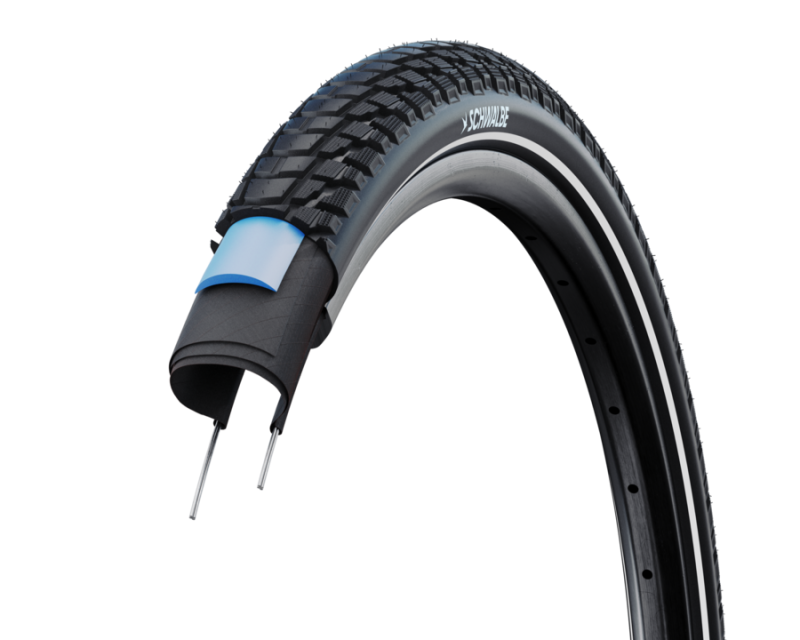
For serious loaded touring and expedition riding where maximum reliability is the priority, the Schwalbe Marathon Plus Tour earns its reputation through its 5mm SmartGuard layer — the same technology as the standard Marathon Plus, applied to a tread pattern designed for both asphalt and unpaved roads. It is heavier and slower than other options, but delivers the best puncture resistance available for tube-type touring use.
| Size | Notes |
|---|---|
| 26 x 1.75″, 2.0″ | Standard touring bike sizes |
| 700c x 37mm, 42mm, 47mm | Road-focused touring bikes |
| 27.5 x 2.4″ | Available for newer touring frames |
Note: 29″ is not available in the Marathon Plus Tour range. For 29″ touring bikes, see alternatives below.
Best Speed/Protection Balance: Schwalbe Marathon Almotion
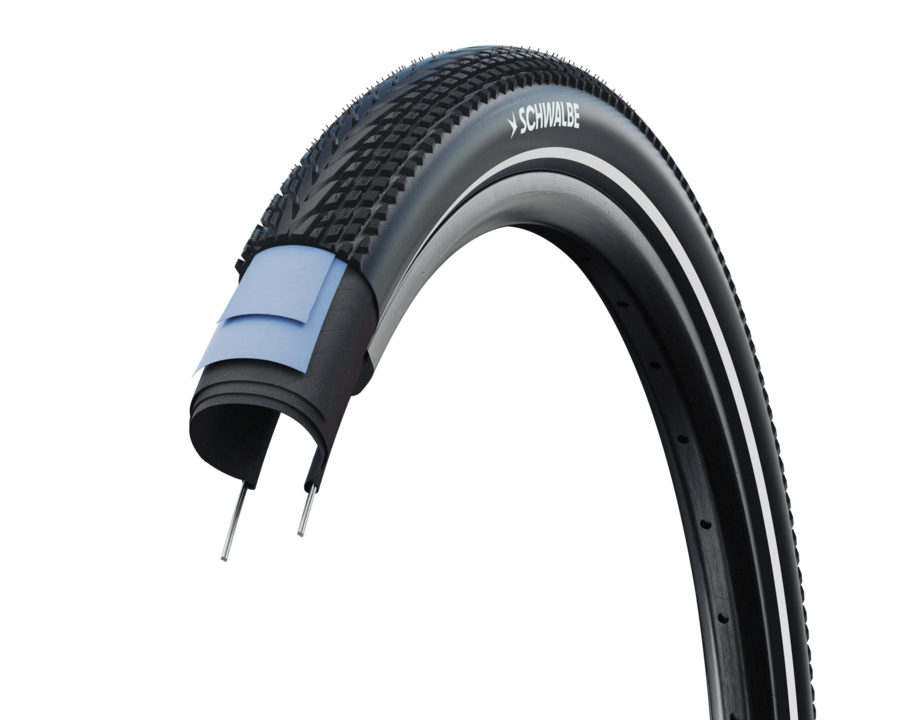
For riders who want genuine touring durability without the speed penalty of the Marathon Plus range, the Marathon Almotion delivers impressively at approximately 17.1W rolling resistance in Bicycle Rolling Resistance testing while maintaining strong puncture protection via RaceGuard. It handles light off-road terrain adequately and is significantly lighter than the Plus Tour, making it a better choice for faster-paced touring or riders who mix road with light gravel.
Available sizes (700c): 40mm, 45mm, 50mm Available sizes (26″): 2.0″ Note: Limited 29″ availability — check regional stock.
Best for 26″ Touring Bikes: Schwalbe Green Marathon
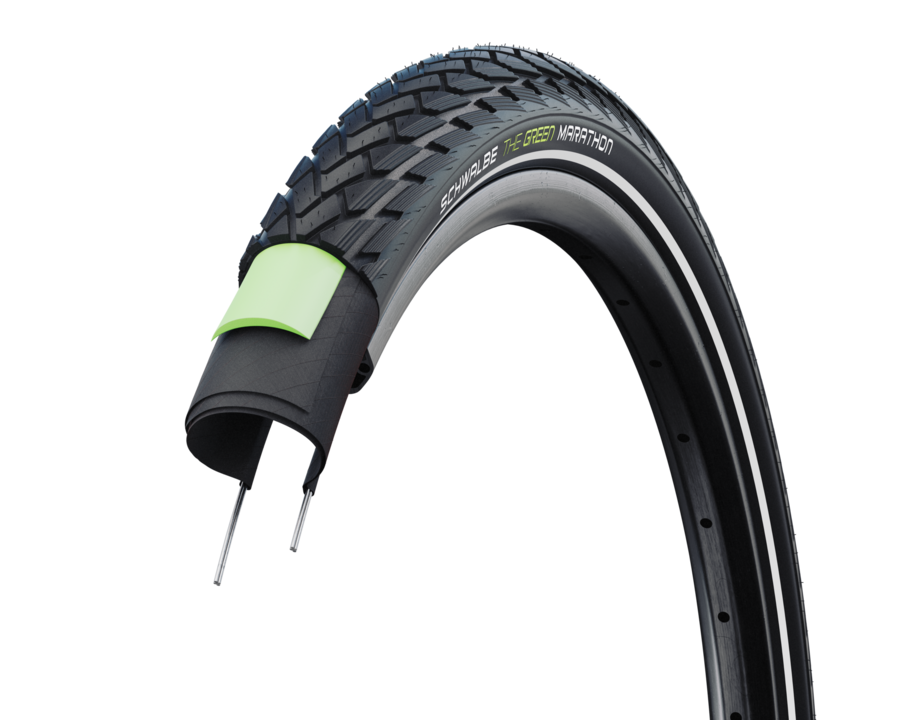
For 26″ touring bikes specifically, the Schwalbe Green Marathon offers excellent speed/protection balance with a wide range of available widths. Independently tested by cyclingabout.com as the best speed-oriented touring tire, it rolls approximately 2W faster than the Marathon Almotion while maintaining strong puncture resistance from its Greenguard layer and two additional RaceGuard fabric layers.
Available sizes (26″): 1.25″, 1.50″, 1.75″, 2.00″
Best Widely Available Alternative: Continental Contact Plus
For touring riders who are concerned about replacement availability during a long-distance trip, the Continental Contact Plus is the most widely stocked touring/commuting tire of comparable quality, found in bike shops across more countries than specialty touring brands. It offers strong puncture resistance and rolls noticeably faster than the Marathon Plus, though with slightly less puncture protection than Schwalbe’s top touring options.
Available sizes (700c): 35mm, 40mm, 42mm, 47mm Available sizes (26″): 1.75″ Available sizes (27.5″): 1.65″
Touring Tire Summary
| Priority | Best Pick | Rolling Resistance | Available Sizes |
|---|---|---|---|
| Maximum puncture protection | Schwalbe Marathon Plus Tour | ~27W | 26″, 700c, 27.5″ |
| Speed and protection balance | Schwalbe Marathon Almotion | ~17.1W | 700c, 26″ |
| Best 26″ option | Schwalbe Green Marathon | ~19W | 26″ (multiple widths) |
| Best global availability | Continental Contact Plus | ~21W | 26″, 700c, 27.5″ |
Fat Bike Tires
Fat bike tires (typically 3.8″ to 5.0″ wide) serve diverse purposes — from snow and ice, where flotation and studded traction are key, to all-terrain and desert riding where the large air volume provides grip and comfort. Rolling resistance data is available from Bicycle Rolling Resistance’s fat bike testing section, measured under standardised conditions.
What to Prioritise
- Intended terrain is the defining variable — a studded snow tire is wrong for dry trail riding, and an all-terrain tire is inadequate for serious ice
- Volume and flotation — wider tires float better on snow and sand; narrower fat tires roll faster
- Weight — fat bike tires typically range from 900g to 1,500g+; lighter tires improve climbing and acceleration
Best All-Round Fat Bike Tire: Schwalbe Jumbo Jim LiteSkin
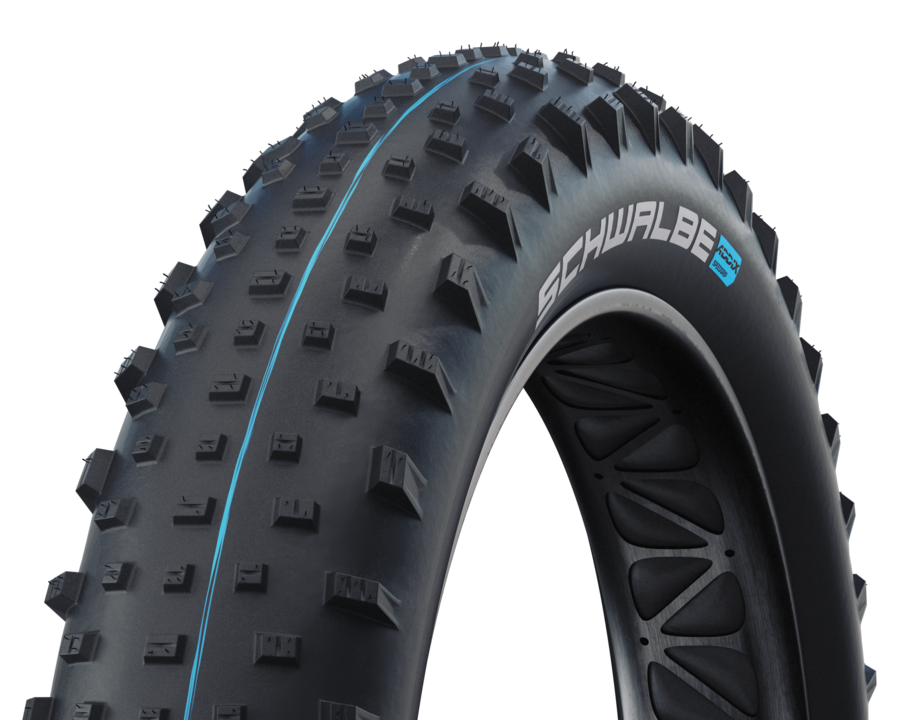
The Schwalbe Jumbo Jim is the benchmark all-round fat bike tire and the fastest fat bike tire tested by Bicycle Rolling Resistance (approximately 23.2W in 26 x 4.0″ LiteSkin format). Its open tread with medium-height knobs and aggressive corner lugs handles soft ground, rough terrain, and loose surfaces effectively, while the low weight (sub-1,000g in LiteSkin versions) makes it significantly more lively than heavier competitors. It can handle light snow but is not a dedicated winter tire.
| Size | Notes |
|---|---|
| 26 x 4.0″, 4.4″, 4.8″ | Full range available |
| 27.5 x 4.0″ | Available |
Best Fat Bike Tire for Snow and Ice: 45NRTH Dillinger 4 / Dillinger 5
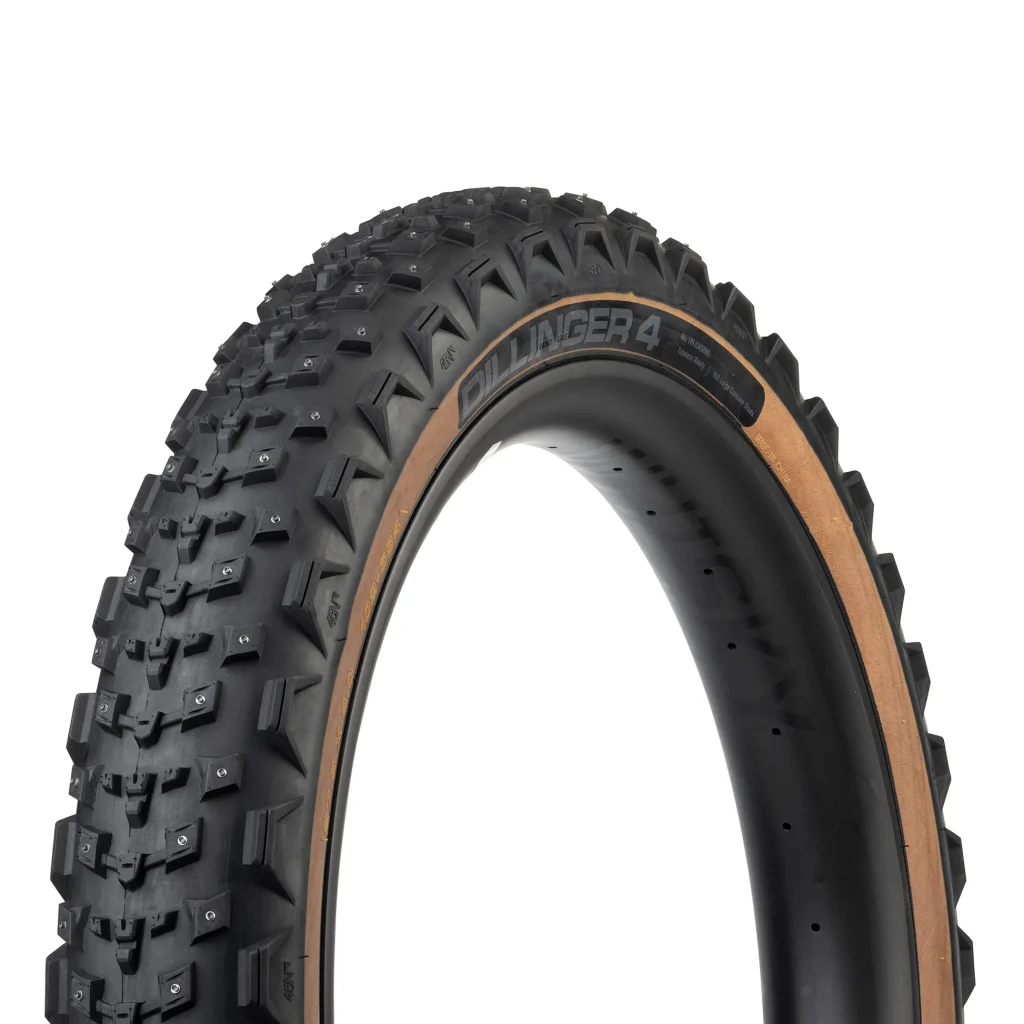
For riders who regularly face icy or compacted snow conditions, 45NRTH — a Minnesota-based brand built specifically around fat bike winter riding — produces the most trusted studded fat bike tires available. The Dillinger 4 (168 concave carbide studs) and the wider Dillinger 5 (258 studs) provide dramatically better control on ice than any non-studded tire, at the cost of significantly higher rolling resistance on non-icy surfaces.
| Tire | Size | Notes |
|---|---|---|
| 45NRTH Dillinger 4 | 26 x 4.0″, 26 x 4.2″ | Standard winter ice setup |
| 45NRTH Dillinger 4 | 27.5 x 4.0″ | Newer frame compatibility |
| 45NRTH Dillinger 5 | 26 x 4.6″ | Maximum flotation + studded traction |
Best All-Terrain Fat Bike Alternative: Surly Nate
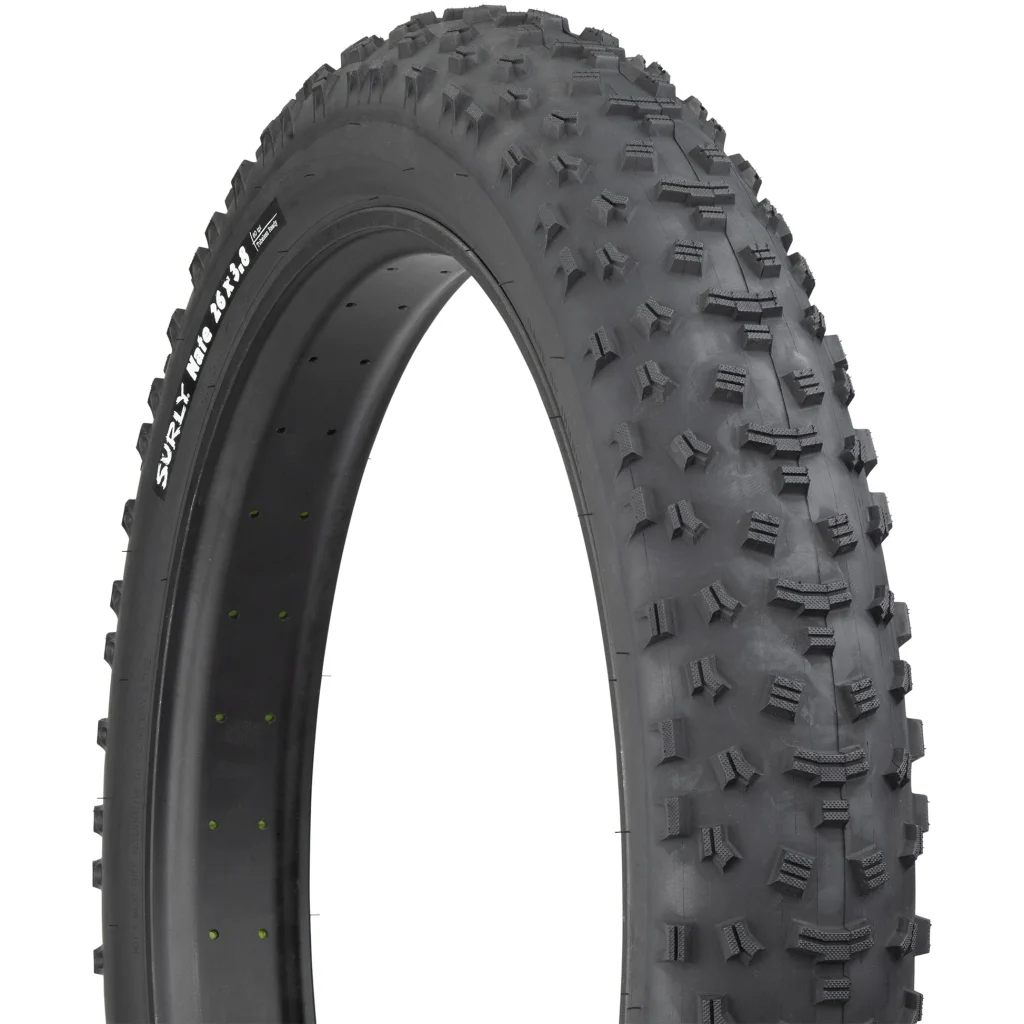
For riders seeking an aggressive all-terrain fat bike tire without the weight of studded options, the Surly Nate is a respected choice for loose, rocky, or technical terrain. Its 7mm tall block knobs dig into almost any surface, providing outstanding grip in conditions where the Jumbo Jim’s lighter tread reaches its limits. Available primarily in 26″ sizes, making it particularly relevant for older fat bike frames.
Available sizes: 26 x 3.8″, 26 x 4.8″
Fat Bike Tire Summary
| Priority | Best Pick | Rolling Resistance (BRR) | Available Sizes |
|---|---|---|---|
| Best all-round | Schwalbe Jumbo Jim LiteSkin | ~23.2W | 26 x 4.0–4.8″, 27.5 x 4.0″ |
| Best for ice/snow | 45NRTH Dillinger 4 | N/A (studded) | 26 x 4.0″, 26 x 4.2″, 27.5 x 4.0″ |
| Maximum flotation + ice | 45NRTH Dillinger 5 | N/A (studded) | 26 x 4.6″ |
| Best all-terrain aggressive | Surly Nate | ~28W | 26 x 3.8″, 26 x 4.8″ |
How to Choose the Right Tire Pressure for Your New Tires
Every tire recommendation in this guide comes with a maximum pressure rating printed on the sidewall, but that number is a safety ceiling — not a target pressure. Your actual riding pressure should be calculated based on your total system weight (rider + bike + gear), tire width, tube type (clincher vs tubeless), and terrain.
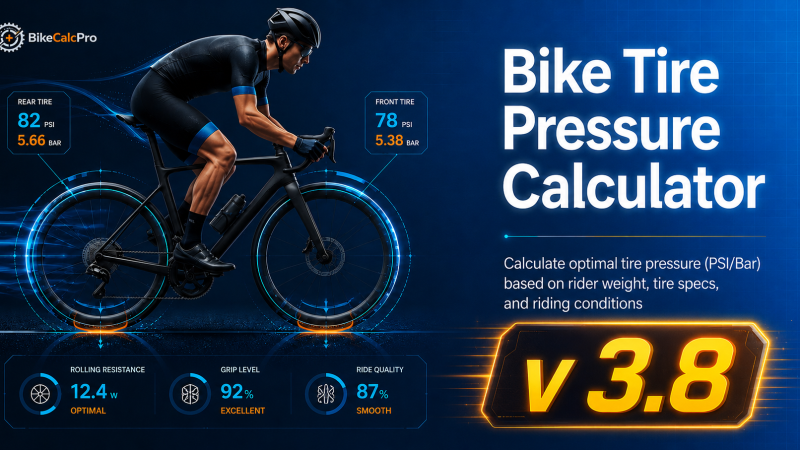
A tire that is correctly sized for your discipline but run at the wrong pressure will underperform. Use our Tire Pressure Calculator → to get a personalised front and rear pressure recommendation for any tire on this list.
FAQ
What is the best bike tire for 2026?
There is no single best tire — the right choice depends entirely on your discipline and priorities. For road bikes, the Continental Grand Prix 5000 S TR (tubeless) is the best all-round option. For gravel, the Schwalbe G-One RX Pro won the major 2026 group tests. For MTB trail/enduro, Maxxis Assegai (front) and Dissector 2 (rear) remain the benchmark pairing. For commuting and touring, the Schwalbe Marathon Plus is the most reliable flat-resistant option.
What is the lowest rolling resistance bike tire available in 2026?
Based on independent testing by Bicycle Rolling Resistance, the Vittoria Corsa Pro Speed TLR is the fastest road tire at approximately 6.7W. For gravel, the Schwalbe G-One RS Pro leads at 10.6W. For MTB, the Schwalbe G-One Speed Pro (near-slick) achieves approximately 11.9W, while the Thunder Burt leads genuine off-road XC tires at around 15.7W.
Are tubeless tires faster than clinchers?
Yes, consistently and measurably. Independent testing shows tubeless tires are typically 2–4 watts faster per tire than equivalent clinchers at the same nominal pressure, due to the elimination of tube friction. They also allow lower pressures without pinch-flat risk, which often reduces rolling resistance further on real road surfaces compared to drum-test figures. The setup process is more involved, but the performance and puncture resistance advantages are real.
Do I need different tires for my MTB on road and on trails?
Not necessarily. A semi-slick tire like the Schwalbe G-One Speed Pro or Thunder Burt can serve adequately on both tarmac and hardpack trails if you accept some off-road grip compromise. However, if you regularly ride technical trails, a dedicated trail tire on trail days and a semi-slick for road-only days is the better approach — most riders with dual use keep a second set of wheels for convenience.
What tire size should I choose for a gravel bike in 2026?
The current consensus sweet spot for most gravel bikes is 40–45mm. This width fits in almost all modern gravel frames, offers excellent comfort and traction on rough surfaces, and — as the 2026 Gran Fondo gravel group test confirmed — still rolls efficiently enough for fast tarmac sections. Only consider going narrower (35mm) if your frame does not fit wider tires, or wider (47–50mm) if you ride particularly rough or technical terrain regularly.
How do I know what pressure to run with my new tires?
Start from your total system weight (body + bike + gear), tire width, and tube type. Our Tire Pressure Calculator takes these inputs and gives you specific front and rear pressure recommendations. Never use the maximum pressure printed on the sidewall as your target — that is a safety limit, not a riding recommendation.
Summary
The best tire for your bike in 2026 is the one that matches your discipline, terrain, and riding priorities — not necessarily the most expensive or the most technically impressive on paper.
Key takeaways by category:
- Road — Continental GP 5000 S TR (tubeless) for most riders; Vittoria Corsa Pro Speed TLR for race days
- Gravel — Schwalbe G-One RX Pro for all-round use; Maxxis Rambler for value
- MTB Trail/Enduro — Maxxis Assegai + Dissector 2 as the proven standard; Continental Kryptotal as the durable alternative
- MTB XC — Schwalbe Thunder Burt (rear) + Racing Ray (front) for maximum speed; Maxxis Aspen for versatility
- MTB on tarmac — Schwalbe G-One Speed Pro delivers the lowest rolling resistance in an MTB-compatible size
- Hybrid/City — Schwalbe Marathon Plus for maximum puncture resistance; Continental Contact Plus for speed/protection balance
- Touring — Schwalbe Marathon Plus Tour for expedition reliability; Marathon Almotion for speed/protection balance
- Fat Bike — Schwalbe Jumbo Jim LiteSkin for all-terrain; 45NRTH Dillinger for snow and ice
Whatever tire you choose, make sure you run it at the right pressure. Use our Tire Pressure Calculator → to find your ideal PSI.